
Authored by Mirjam and translated by me
The Mekong River forms the border between Laos and Thailand, we traveled from Luang Prabang by boat up the Mekong River to Houay Xai a small village on the river on the Laos side. From our hotel we could see across the river to Chiang Khong in Thailand and we immediately noticed the big difference between the two banks. On the Laos side the roads are made of earth, on the Thai side they are asphalt, on the Laos side there are no street lamps, on the Thai side there are street lamps and on the Laos side there is a path to the bamboo jetty, but on the Thai side there are stairs leading to a modern jetty. When we crossed the border, we immediately realized that Thailand is much better off than Laos.
Chiang Rai
Population: 200,000
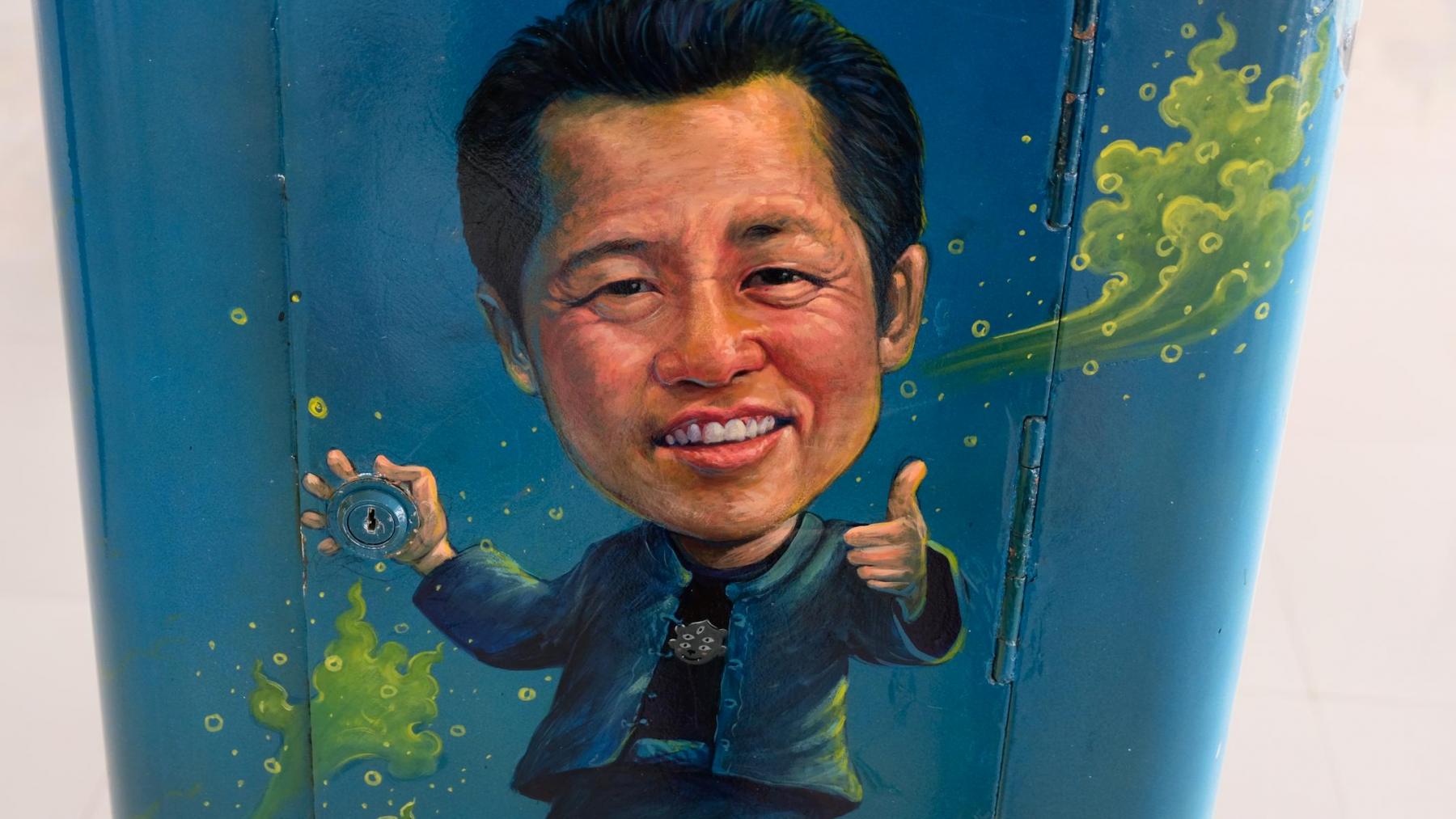
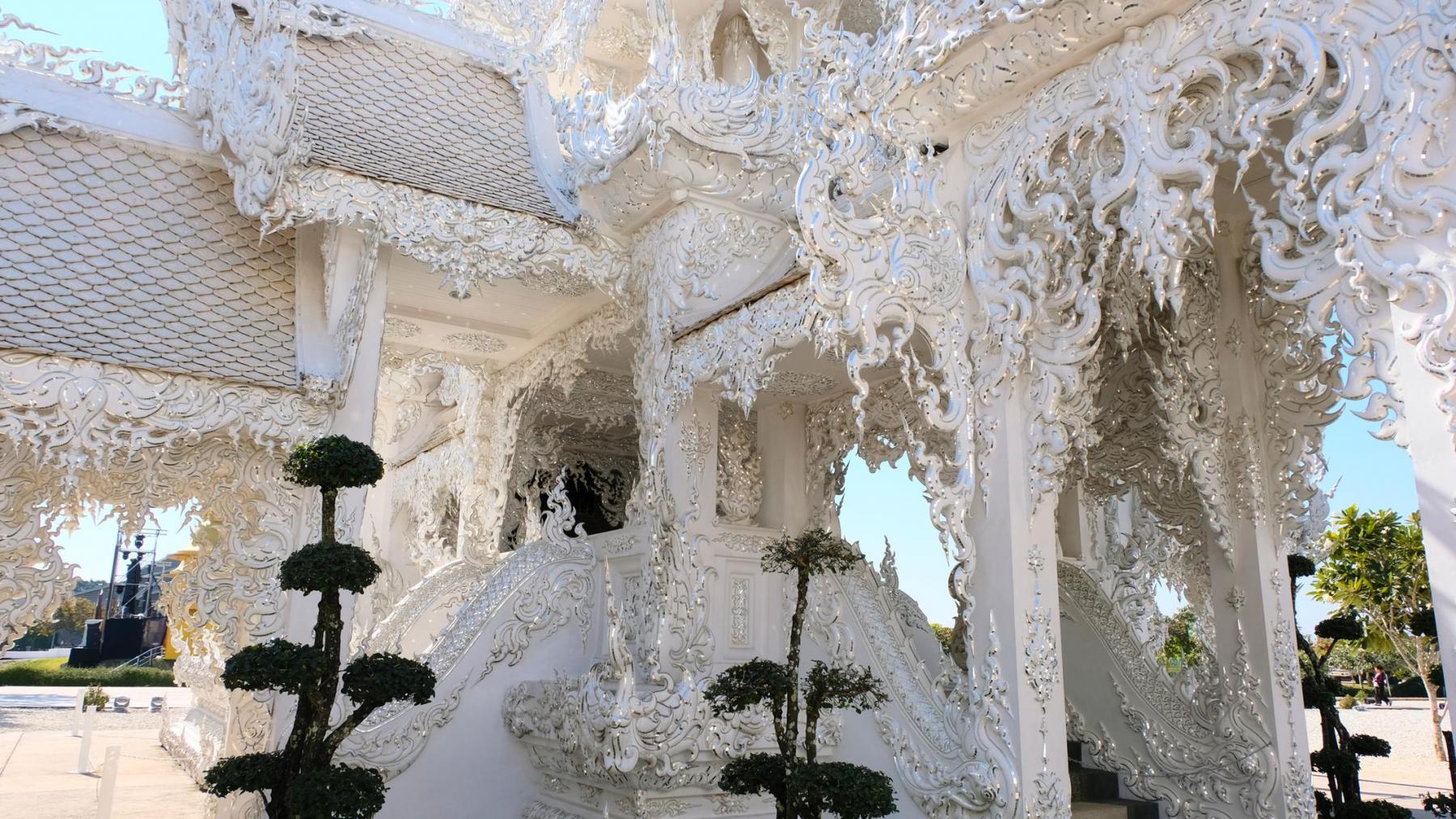
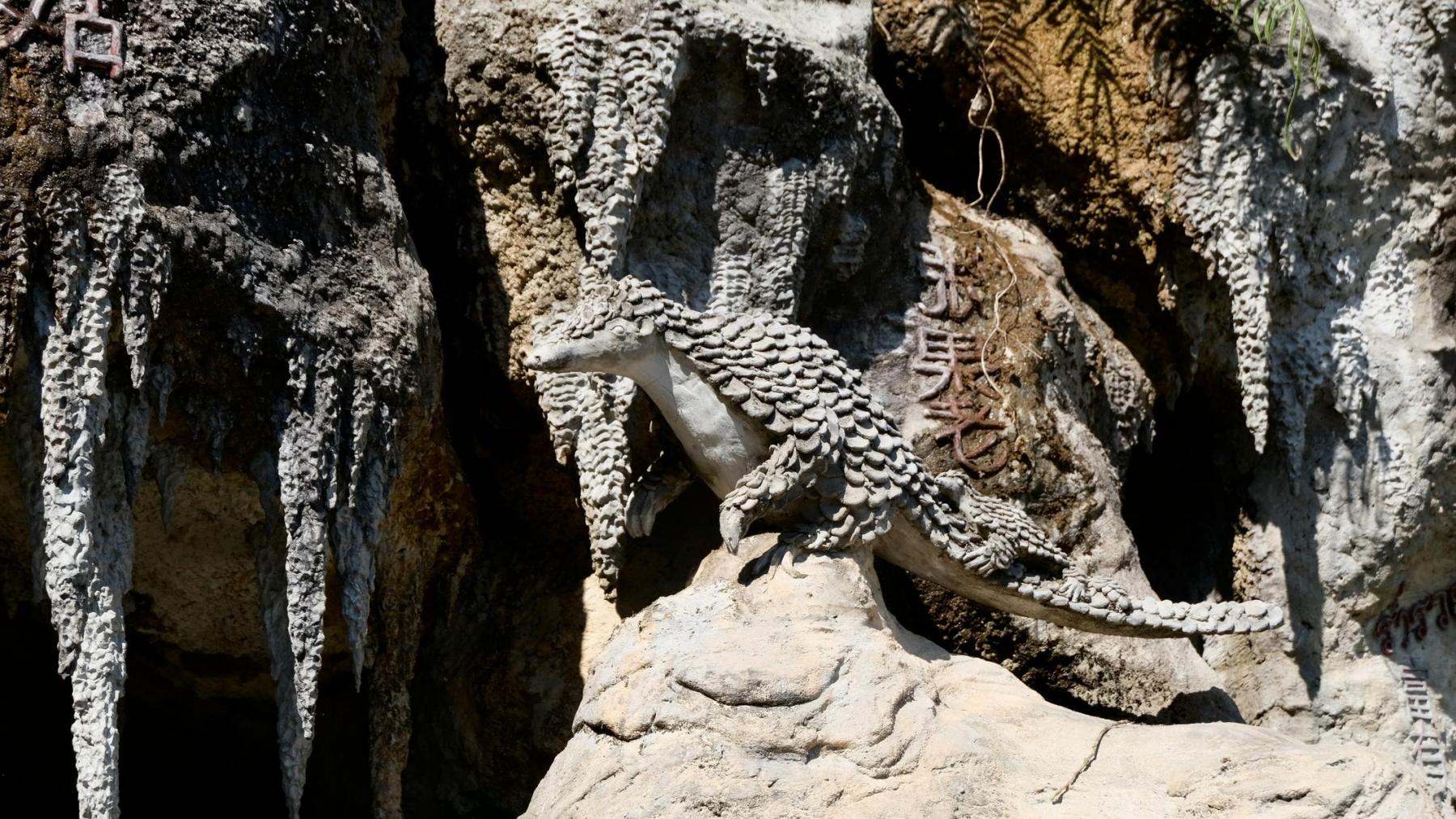
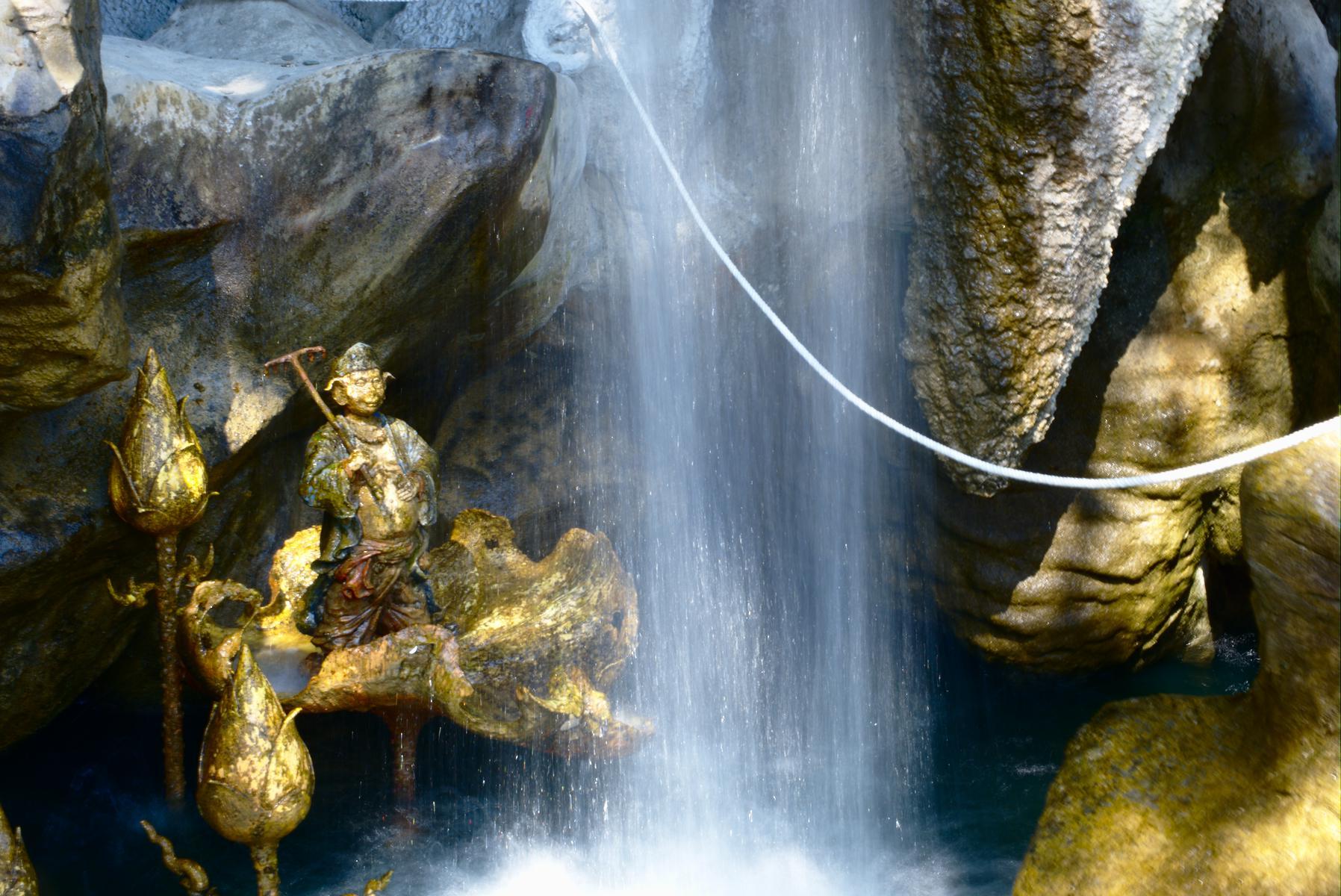
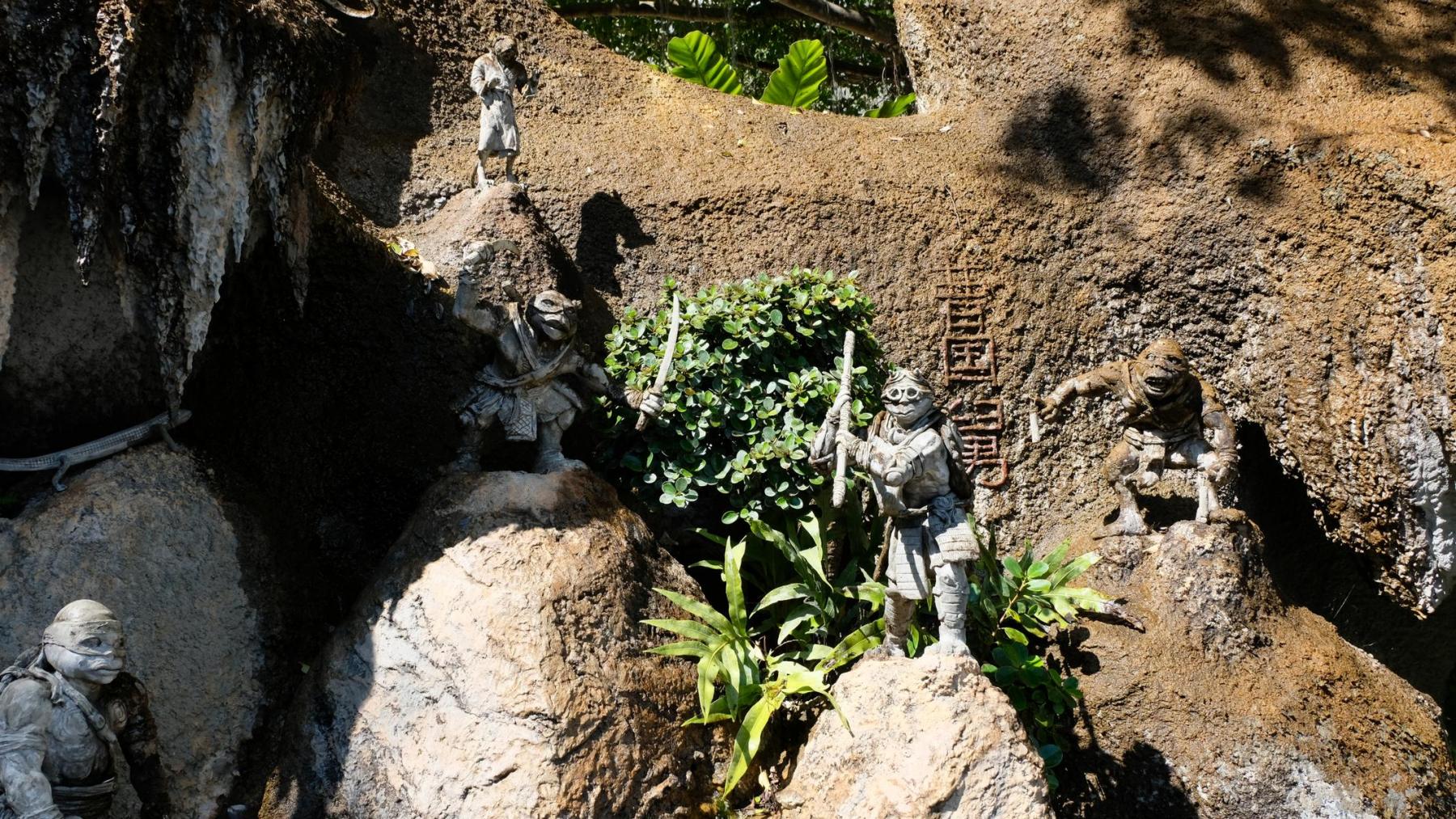
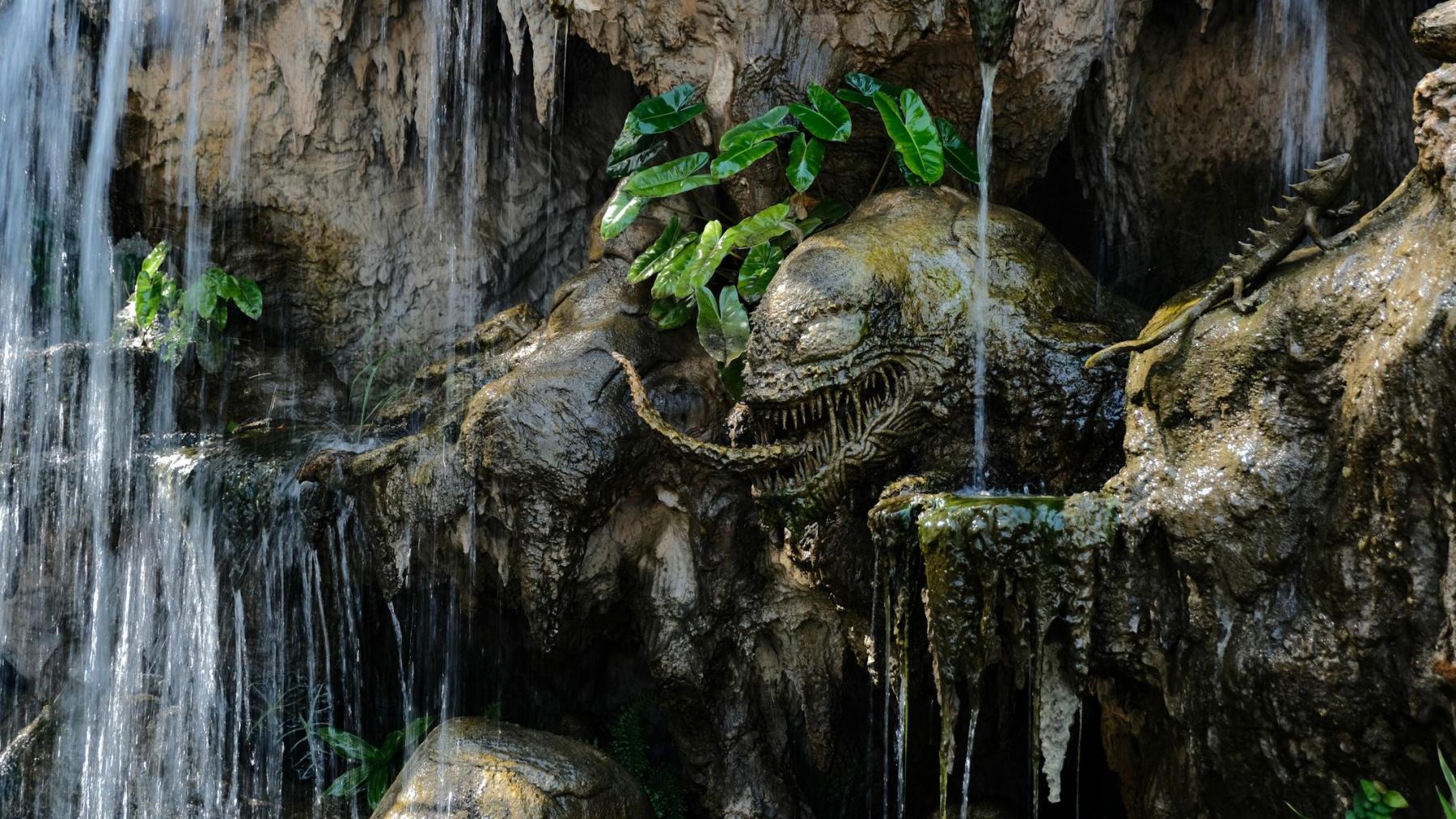
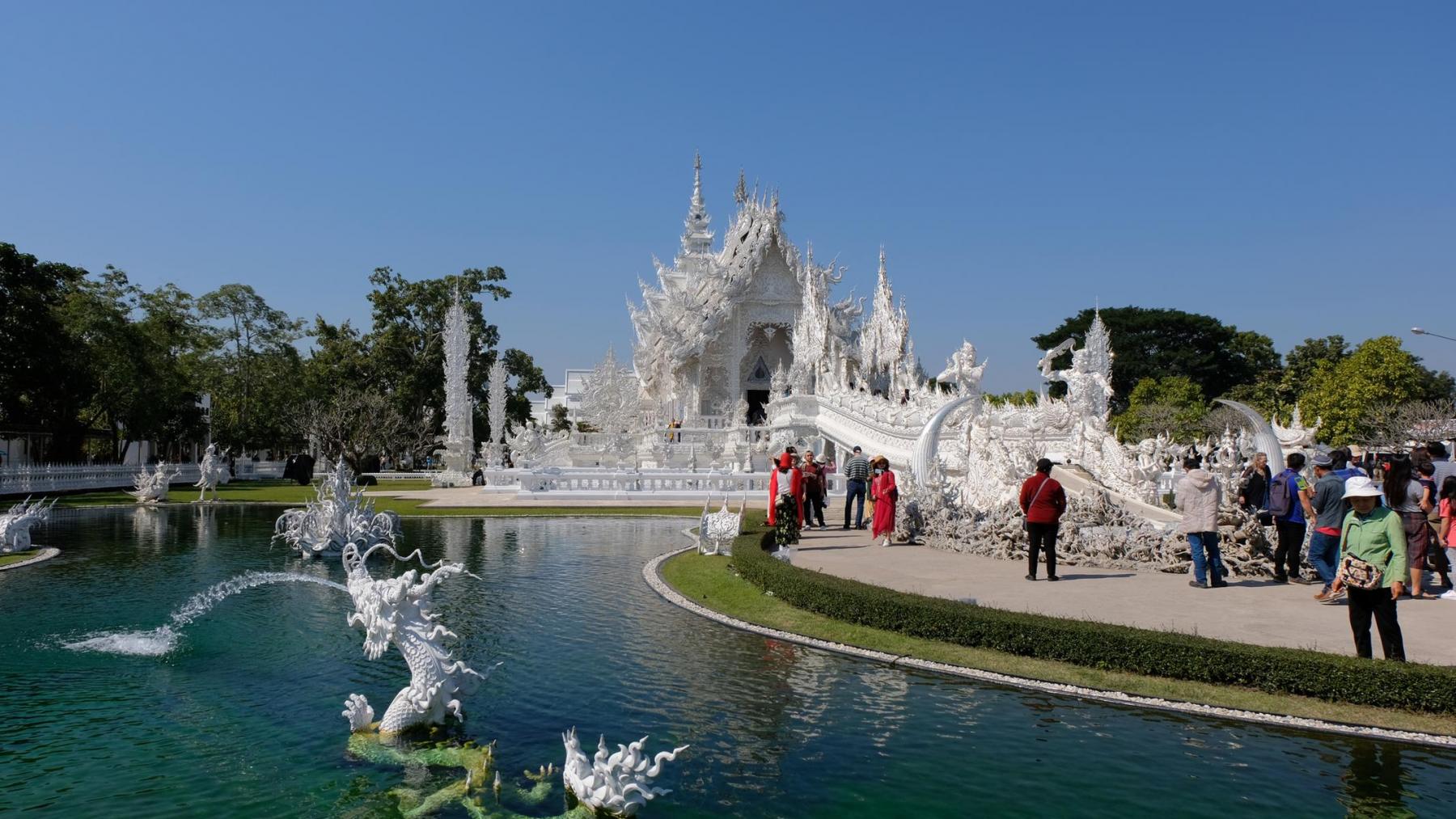
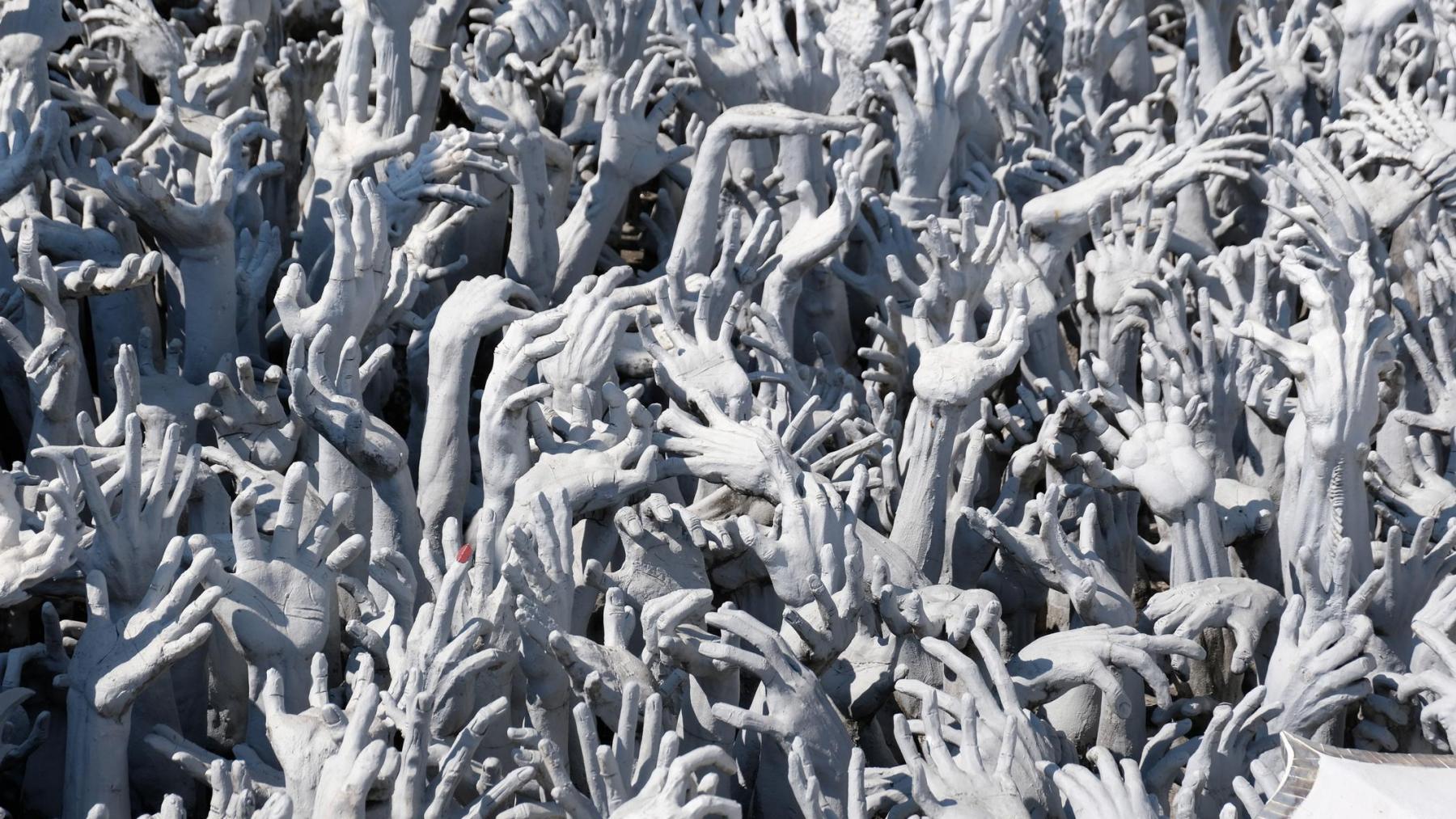
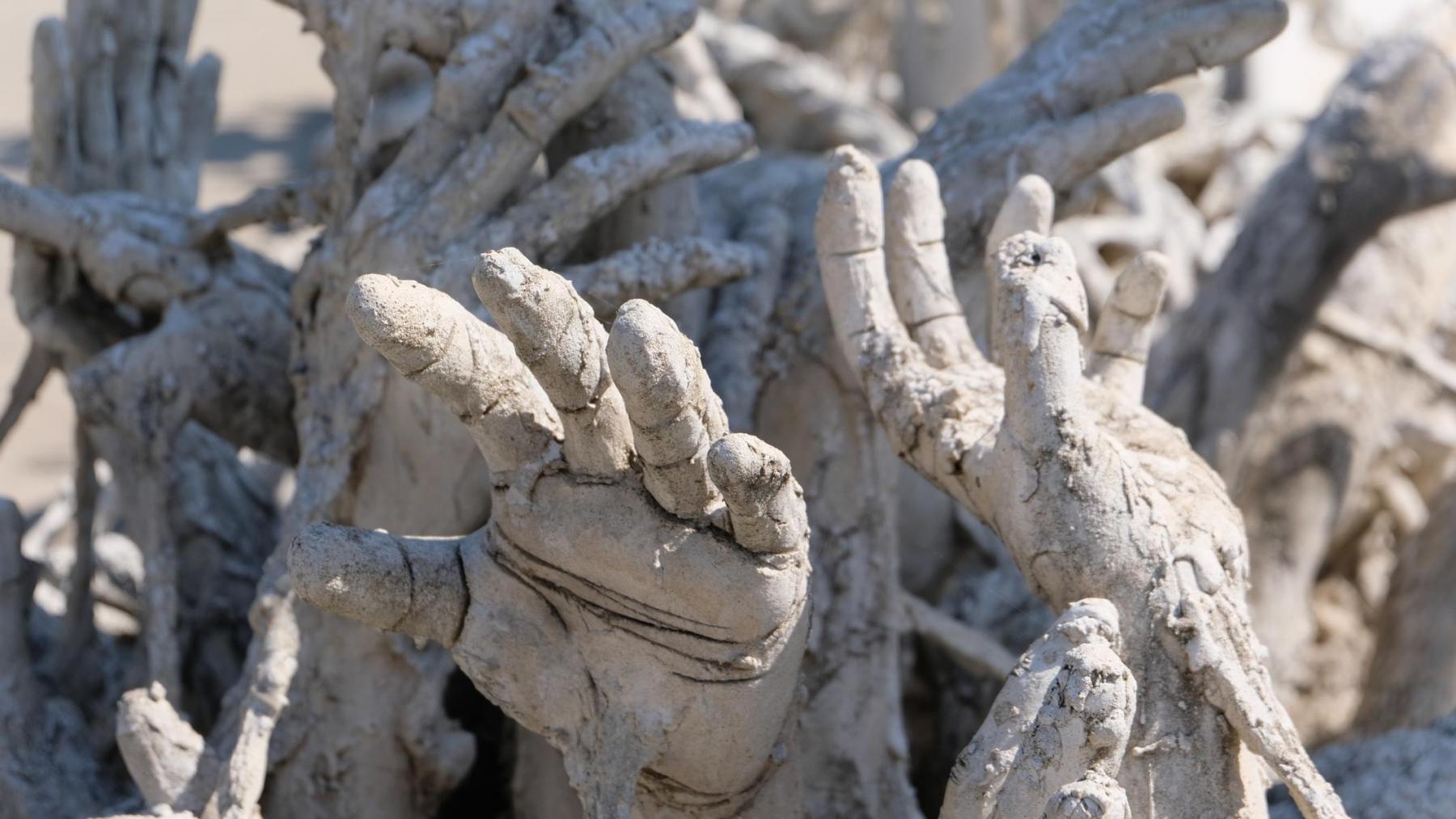
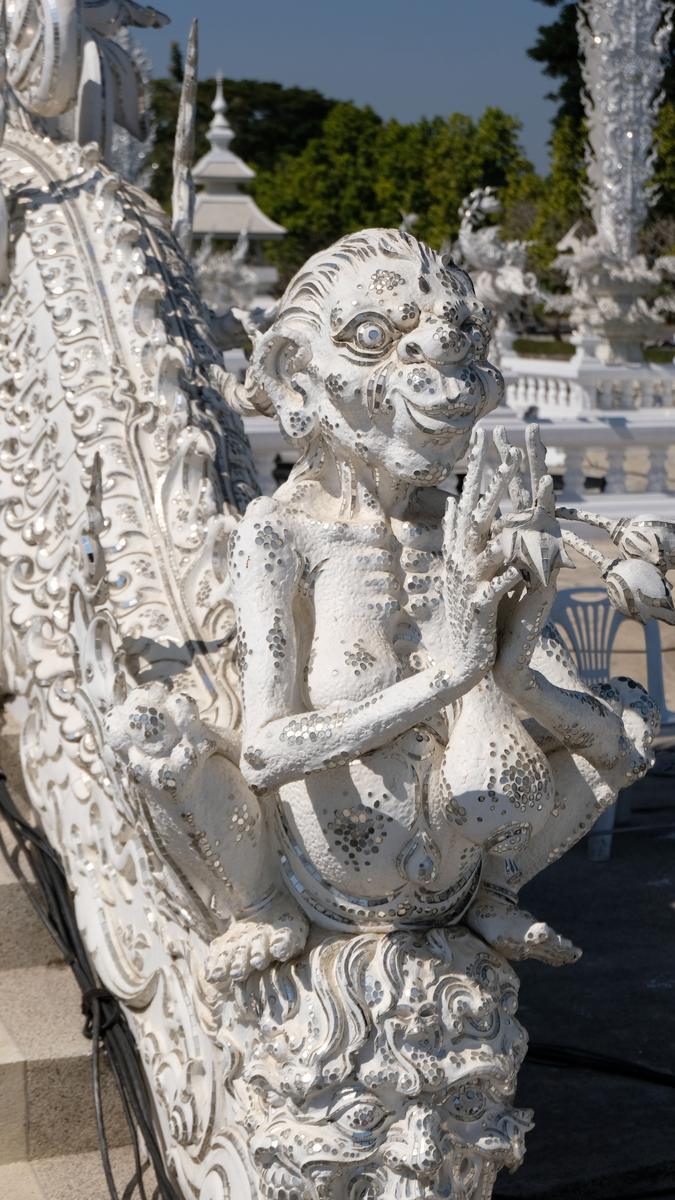
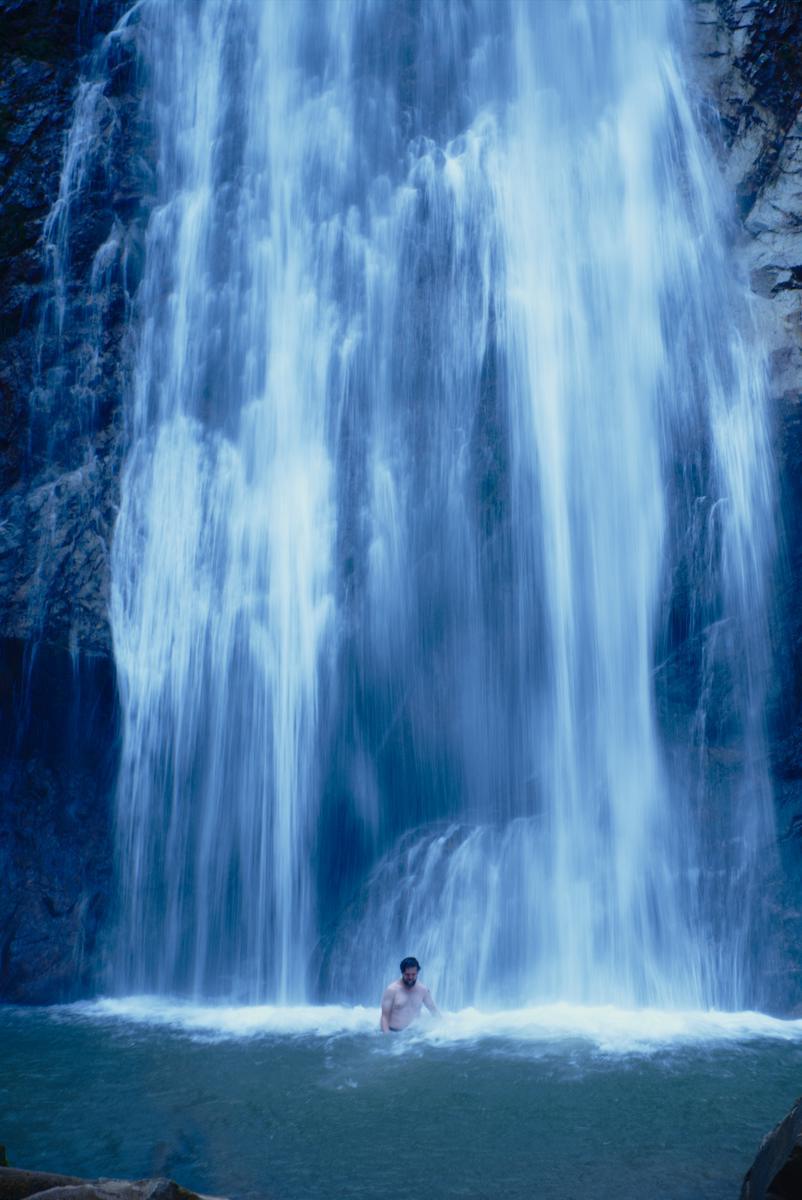
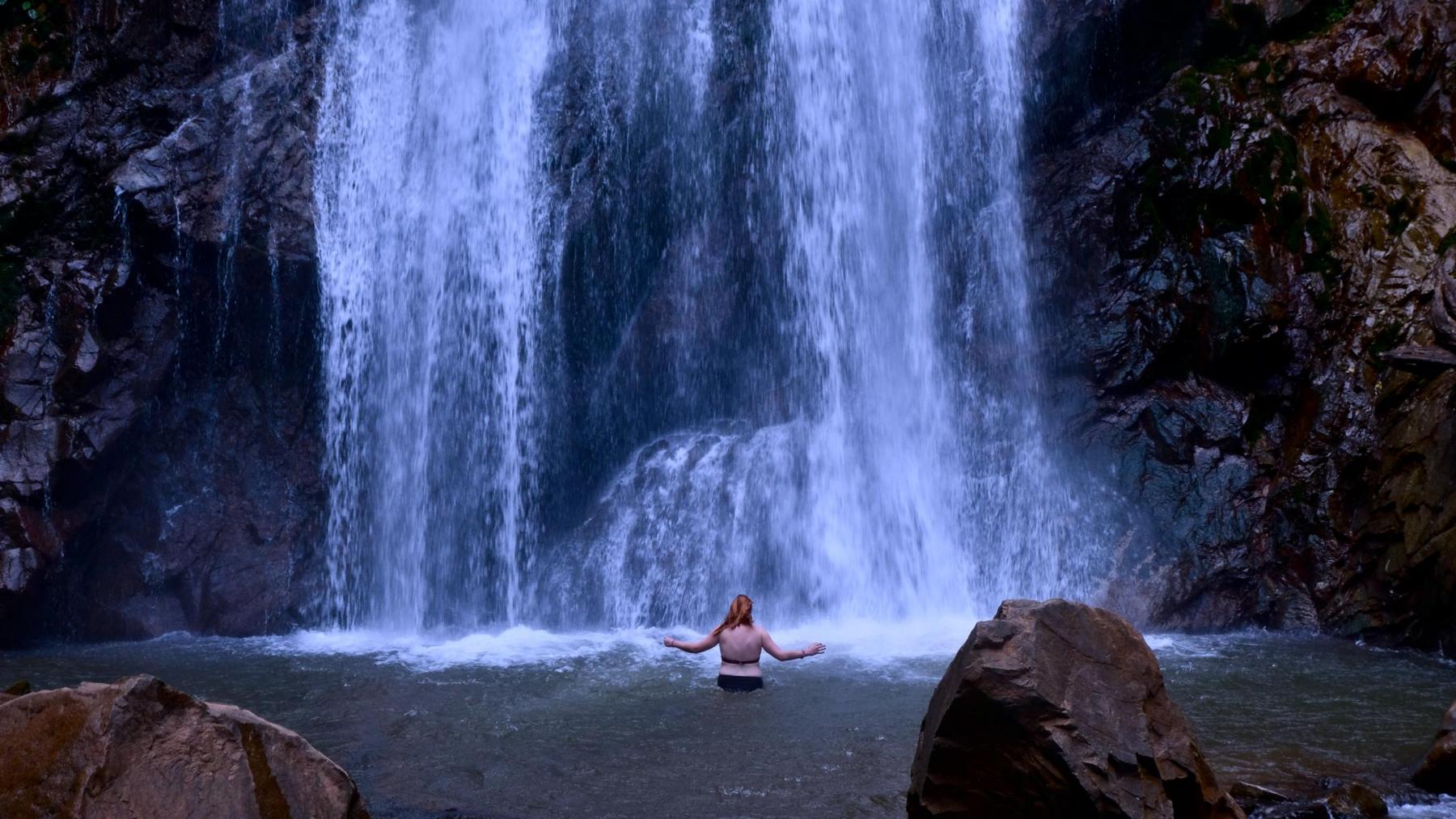
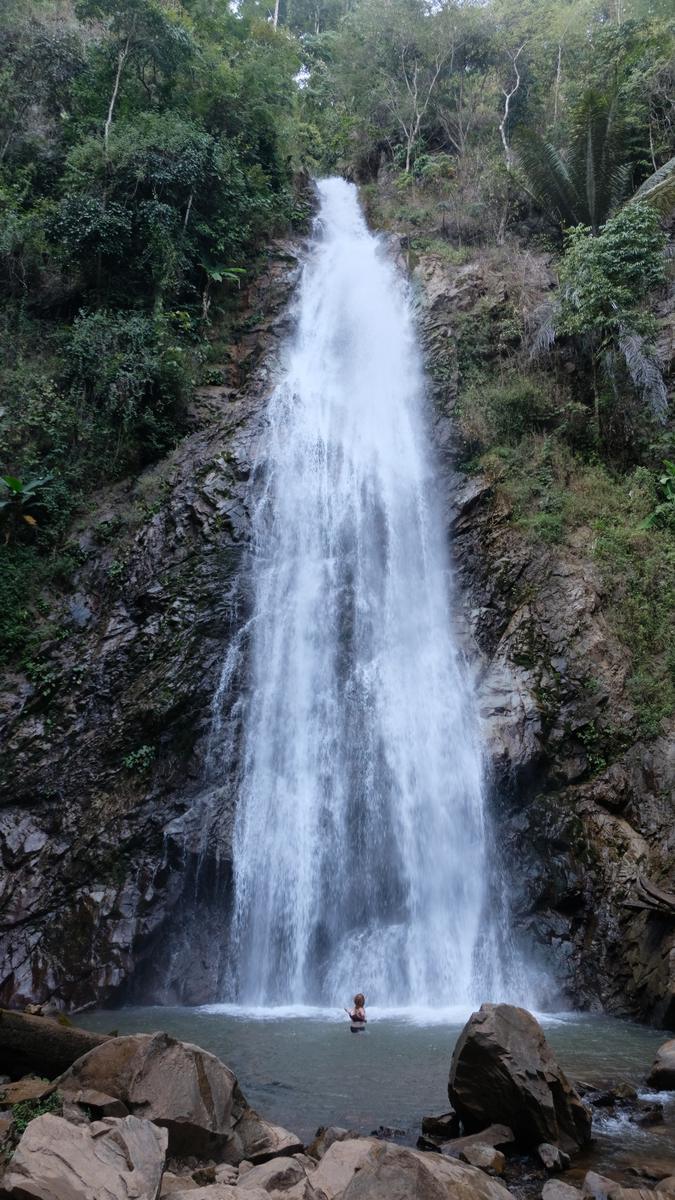
We made our first stop in Chang Rai, a town close to the border of Laos and Myanmar. On our first evening we went to the night market, we have been looking forward to the food in Thailand for a long time and we were not disappointed, we gorged ourselves with various dishes and were delighted. In Chiang Rai we visited the white temple, the temple was built by artist Chalermchai Kositpipat and is an art exhibition in the form of a Buddhist temple. Although it should be mentioned that for believers the place is not a temple but only an art exhibition. Beside the traditional decorations you will find many details in this temple and there is something to discover everywhere, for example inside the temple you will find different Disney figures beautifully worked into the paintings, so you won’t even notice them at first. On the way we stopped at a waterfall and ventured into the very cold water, an incredible feeling.

Nan
Population: 21’333
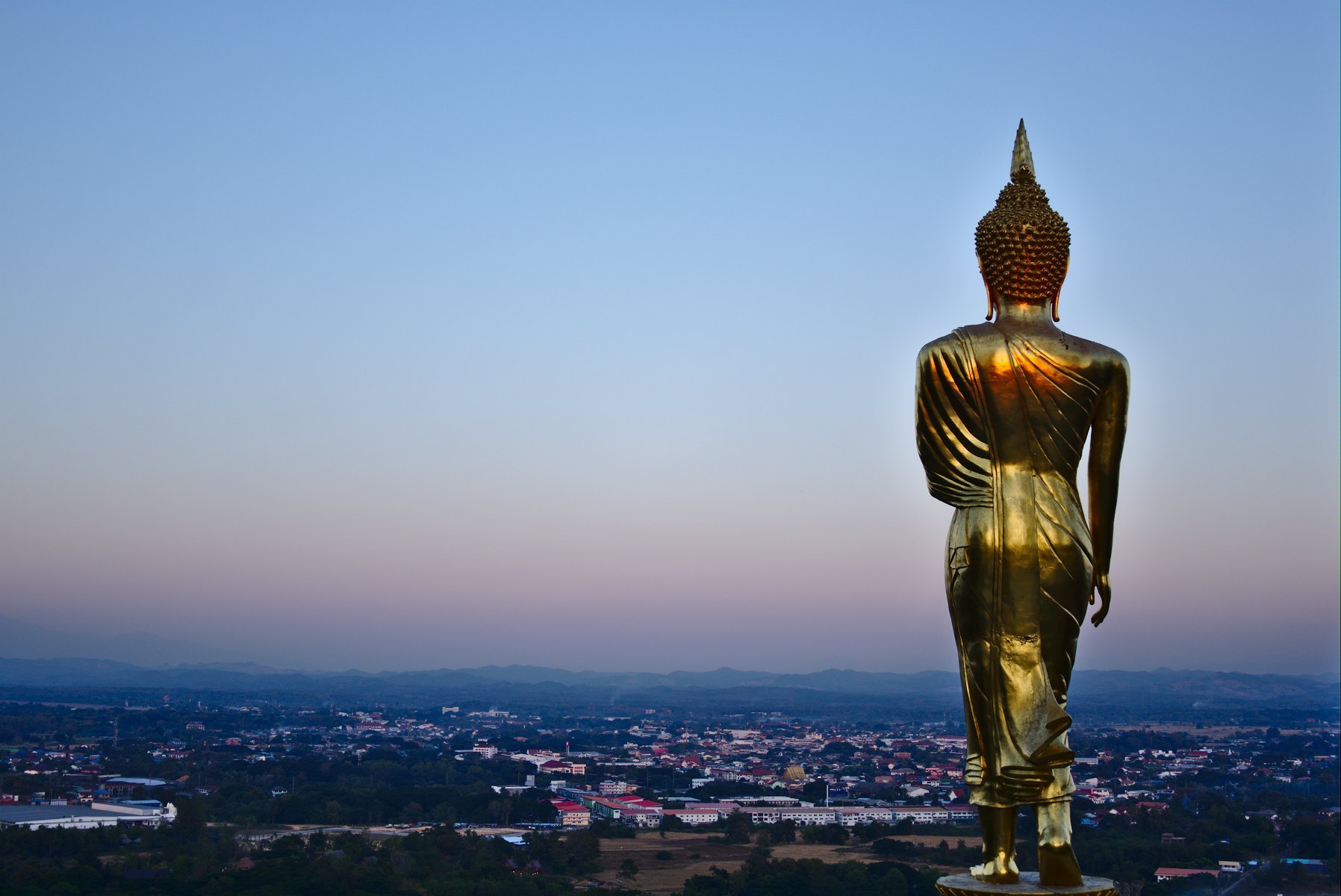
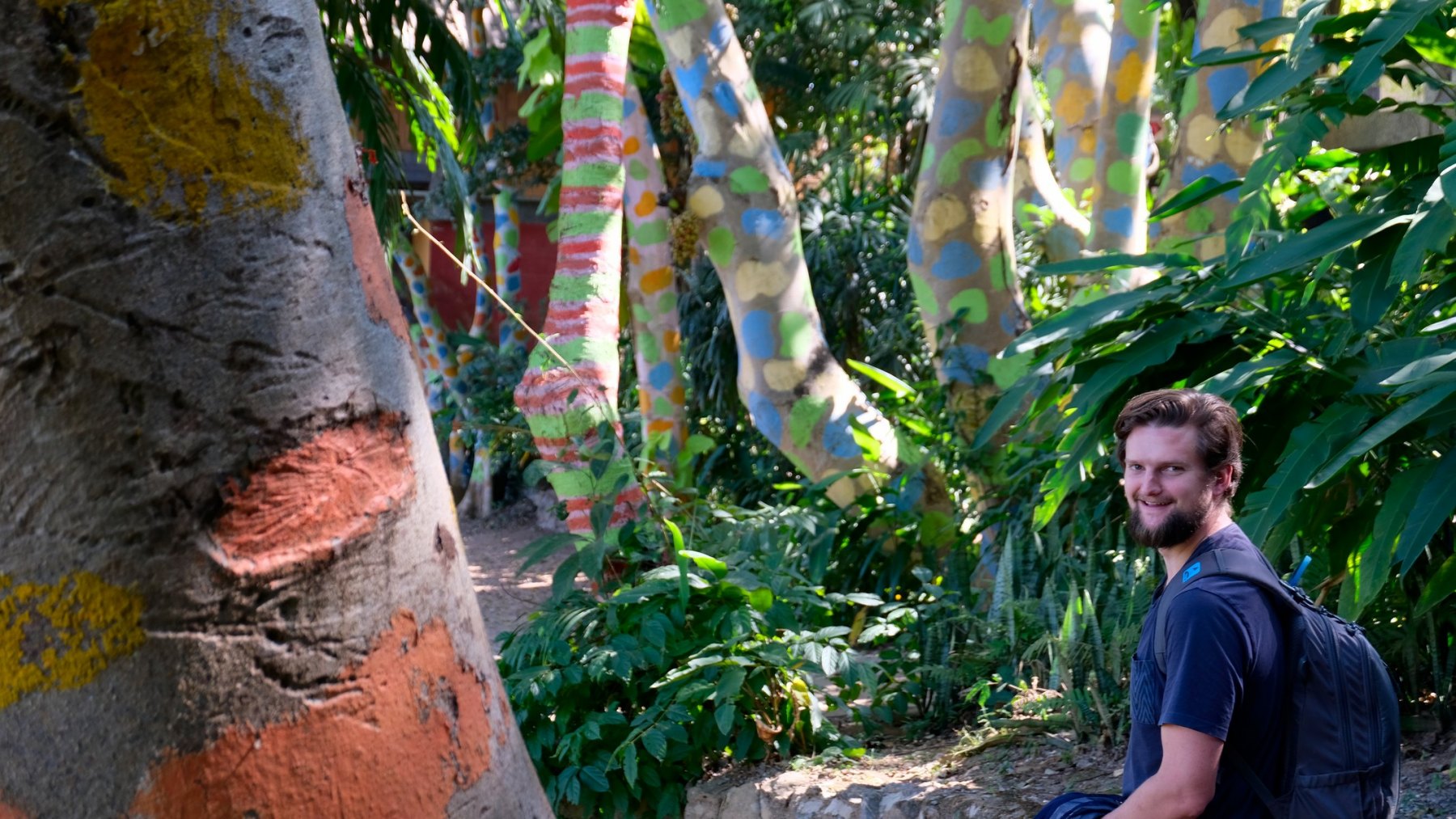
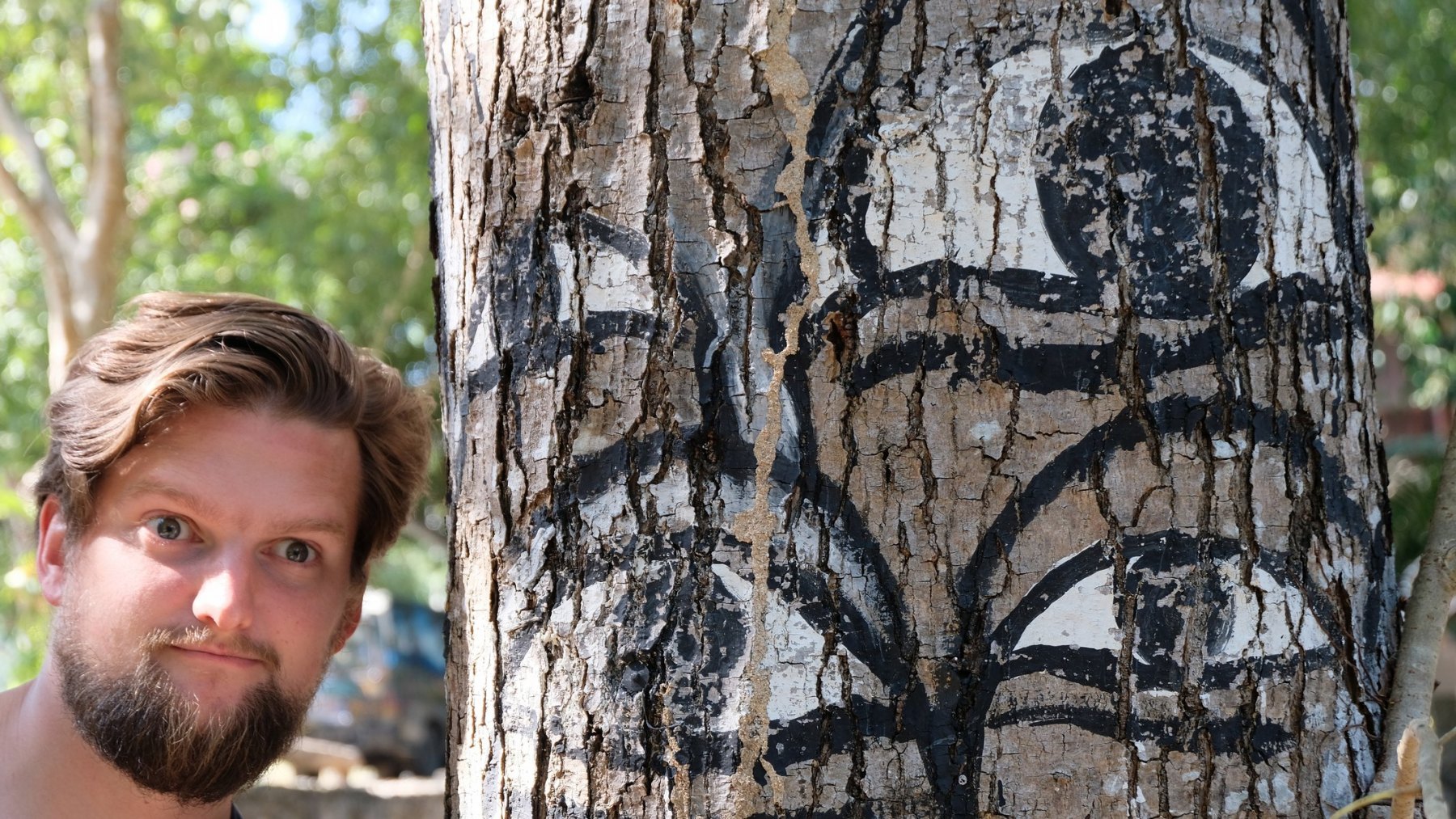
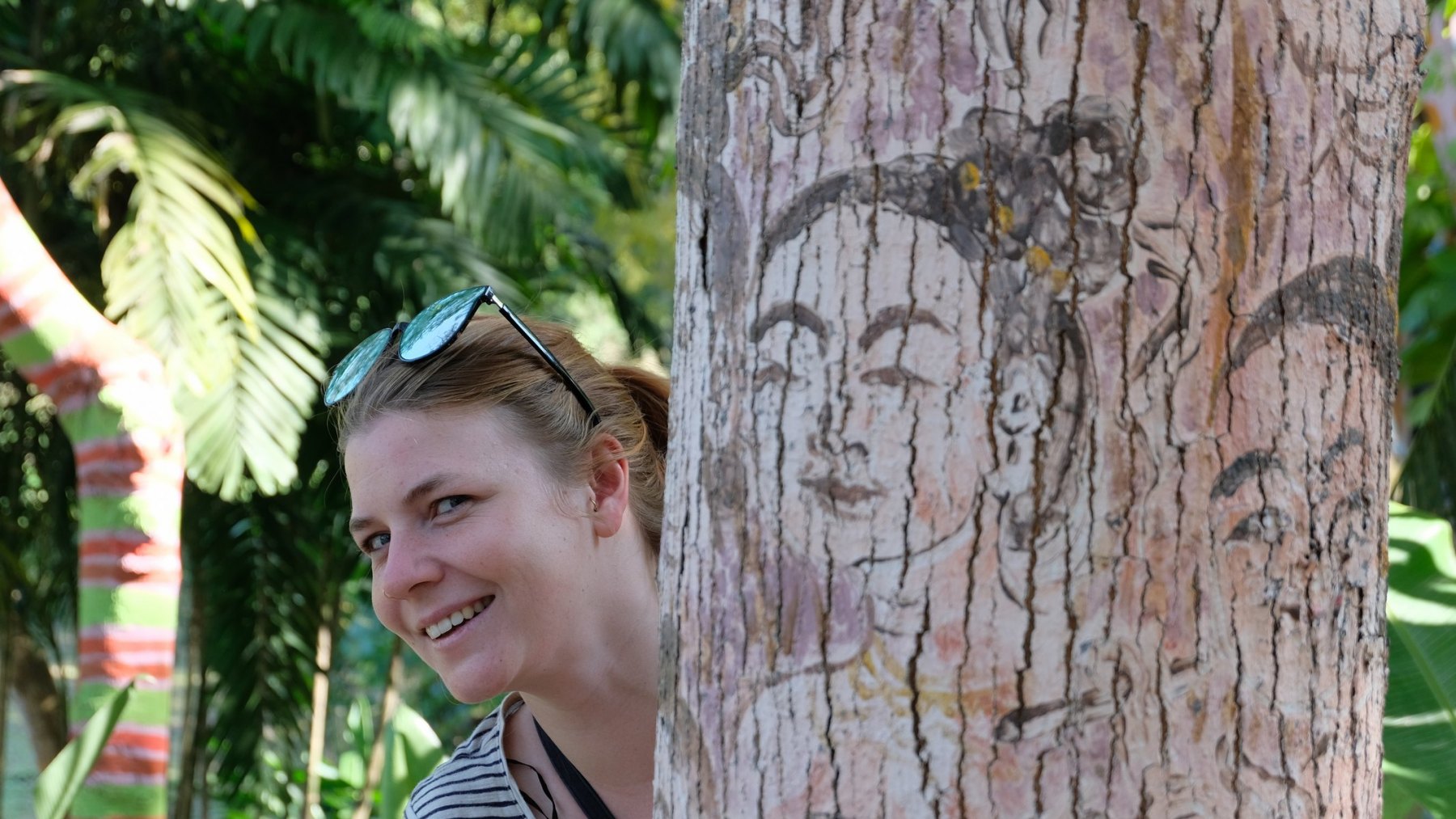
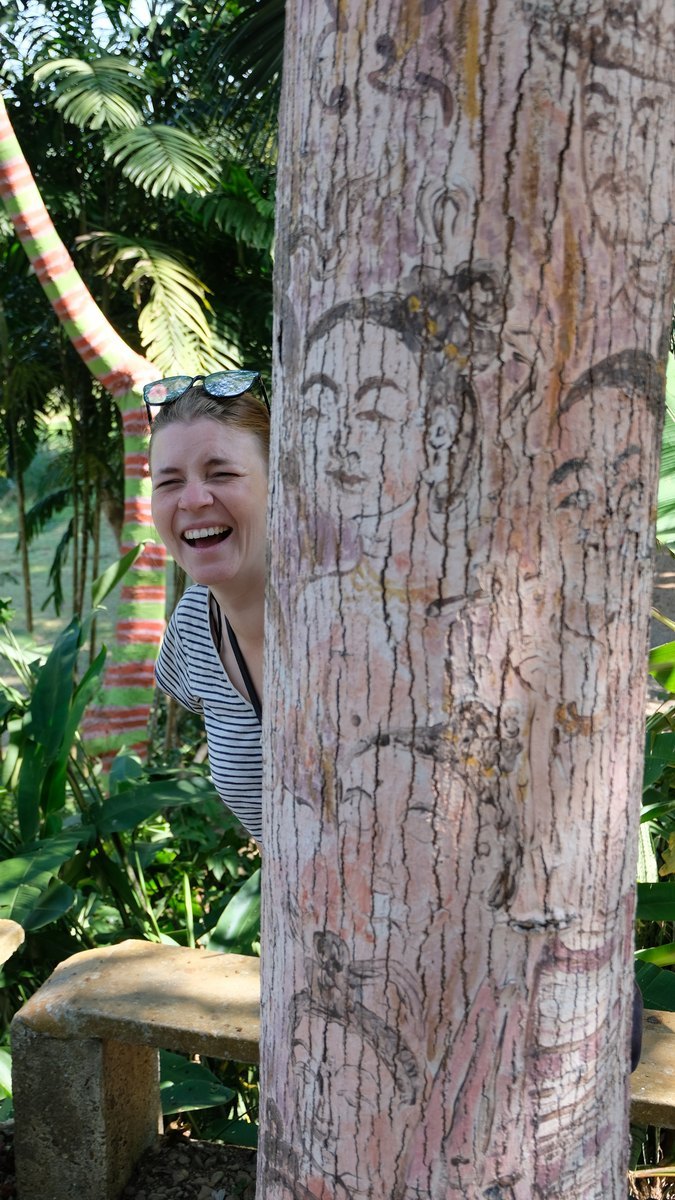
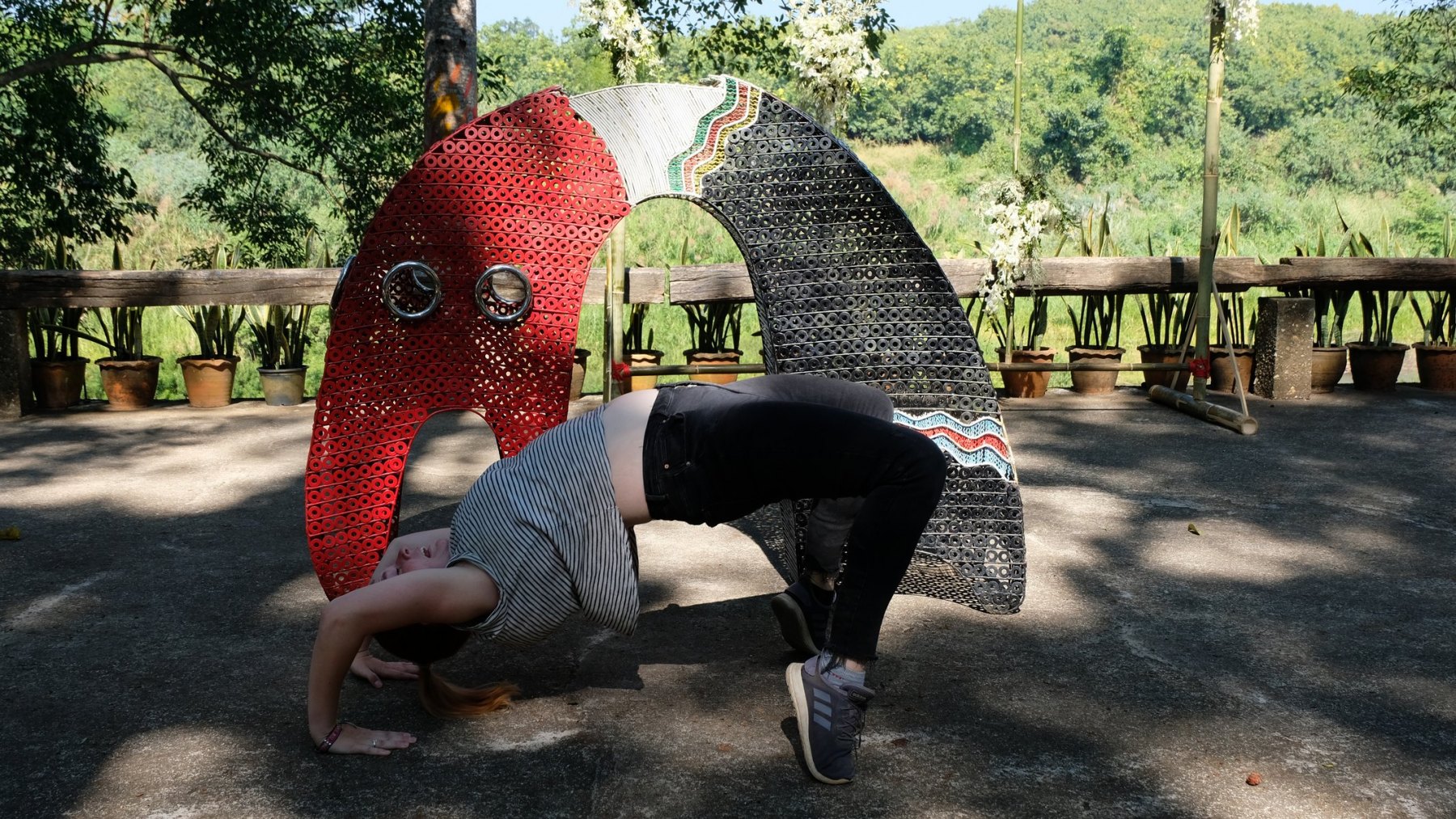
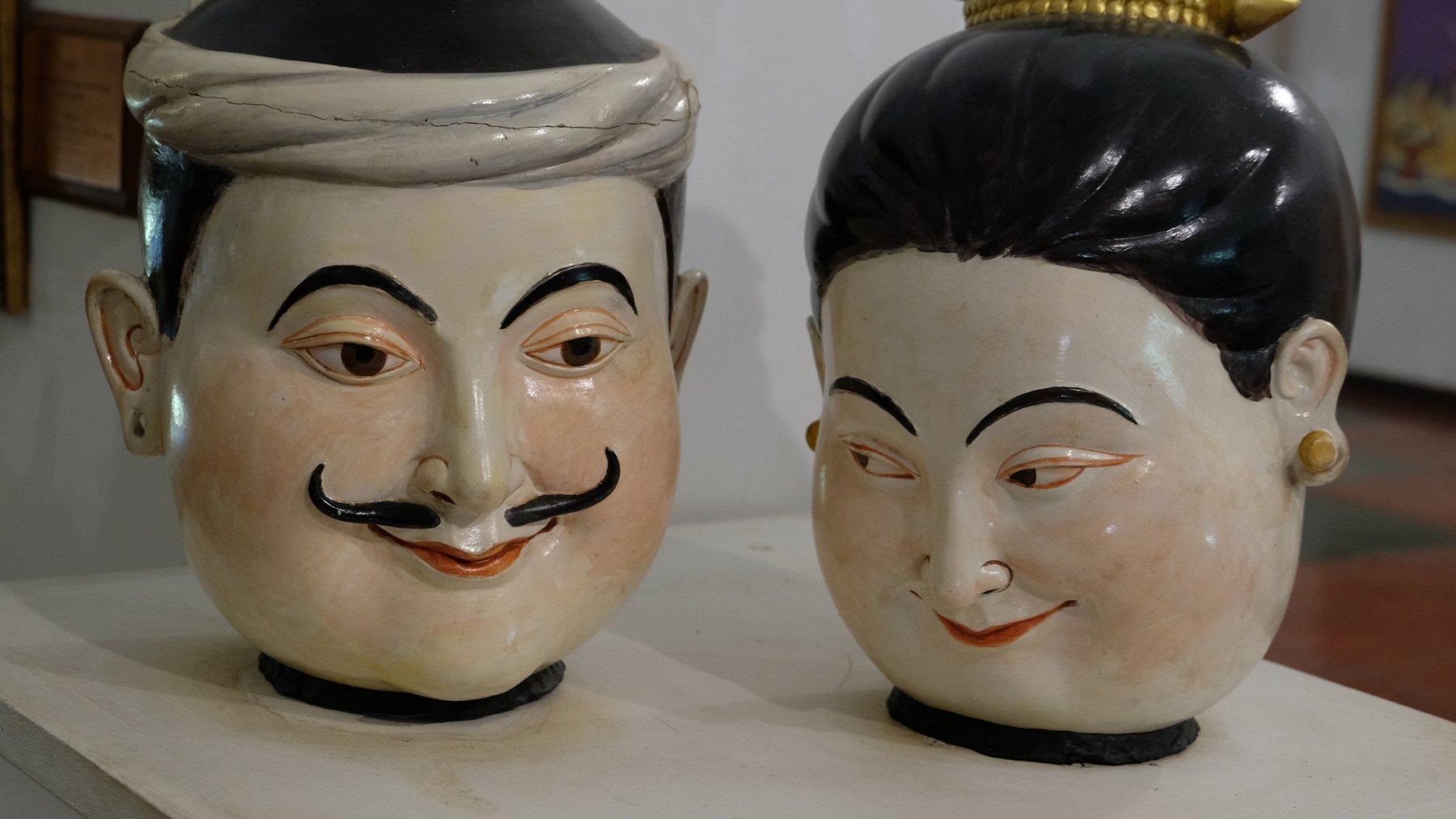
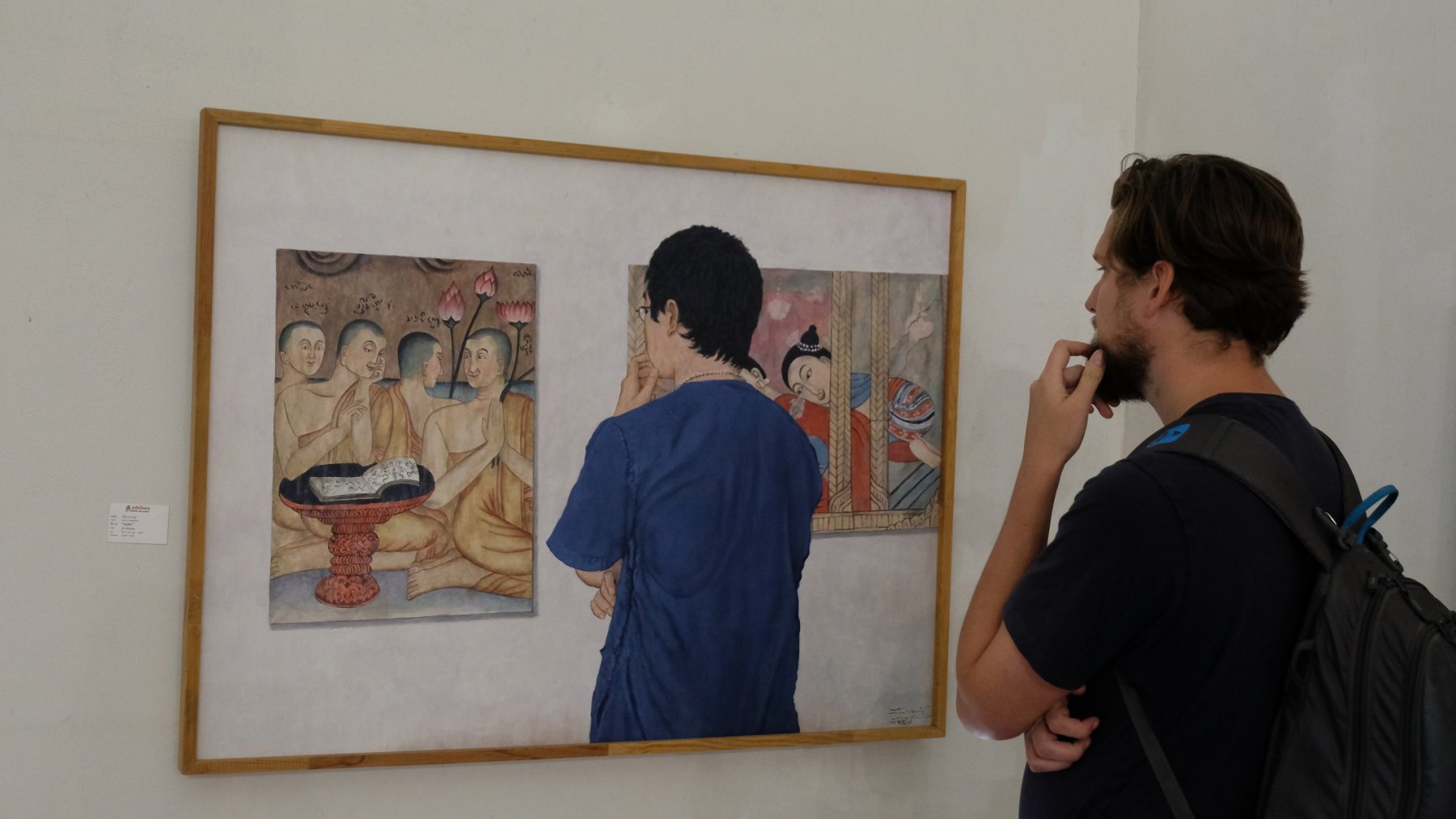
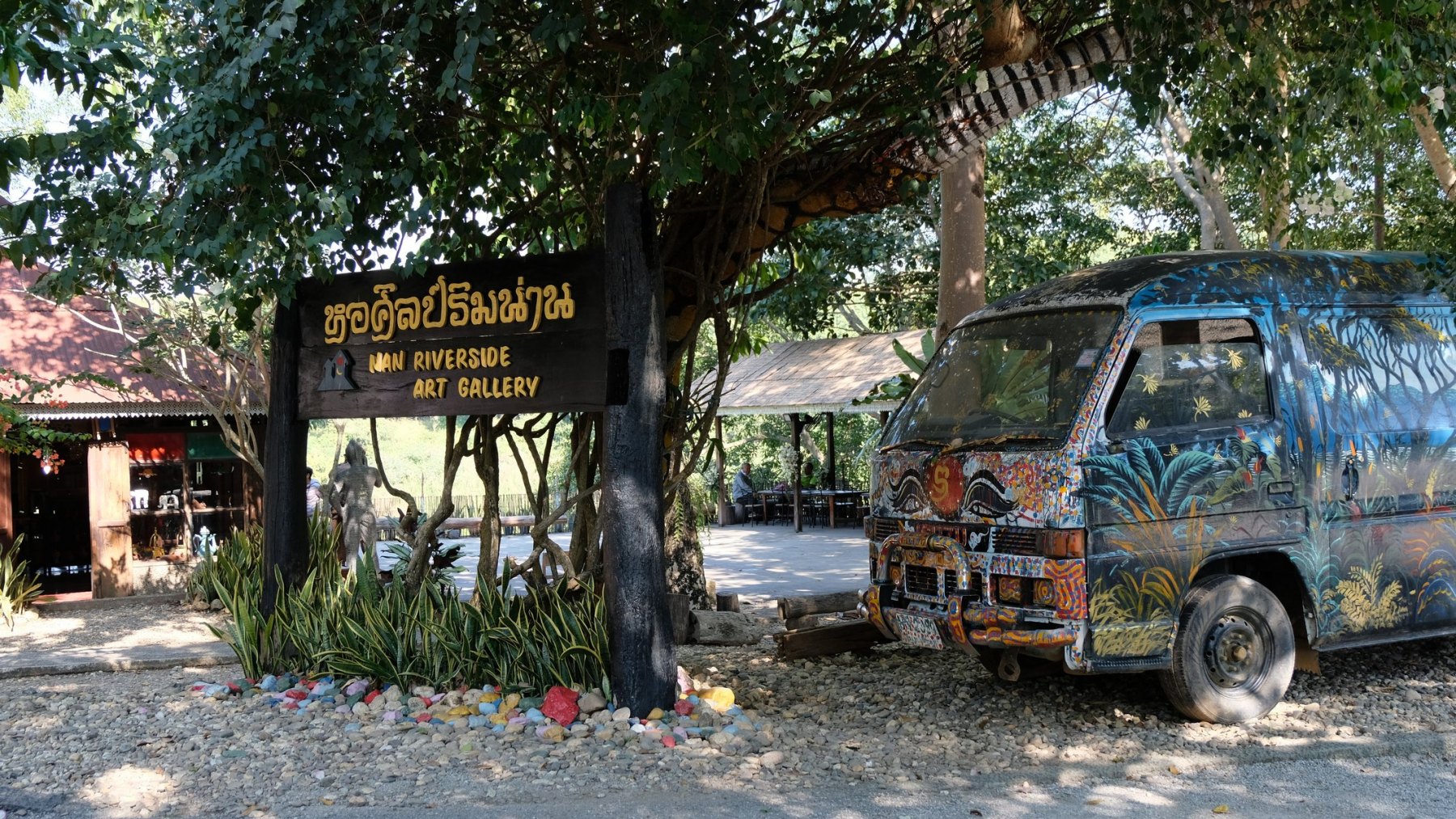
Nan, probably my favorite in northern Thailand. This town is still hardly visited by western tourists, but it is a popular destination for internal tourism. Nan is a small town with a lot of charm, it has many narrow streets leading through the residential areas where you can witness daily life. Here we also went on a scooter and visited an art gallery on a river, the gallery was outside and very nicely integrated with the surroundings.
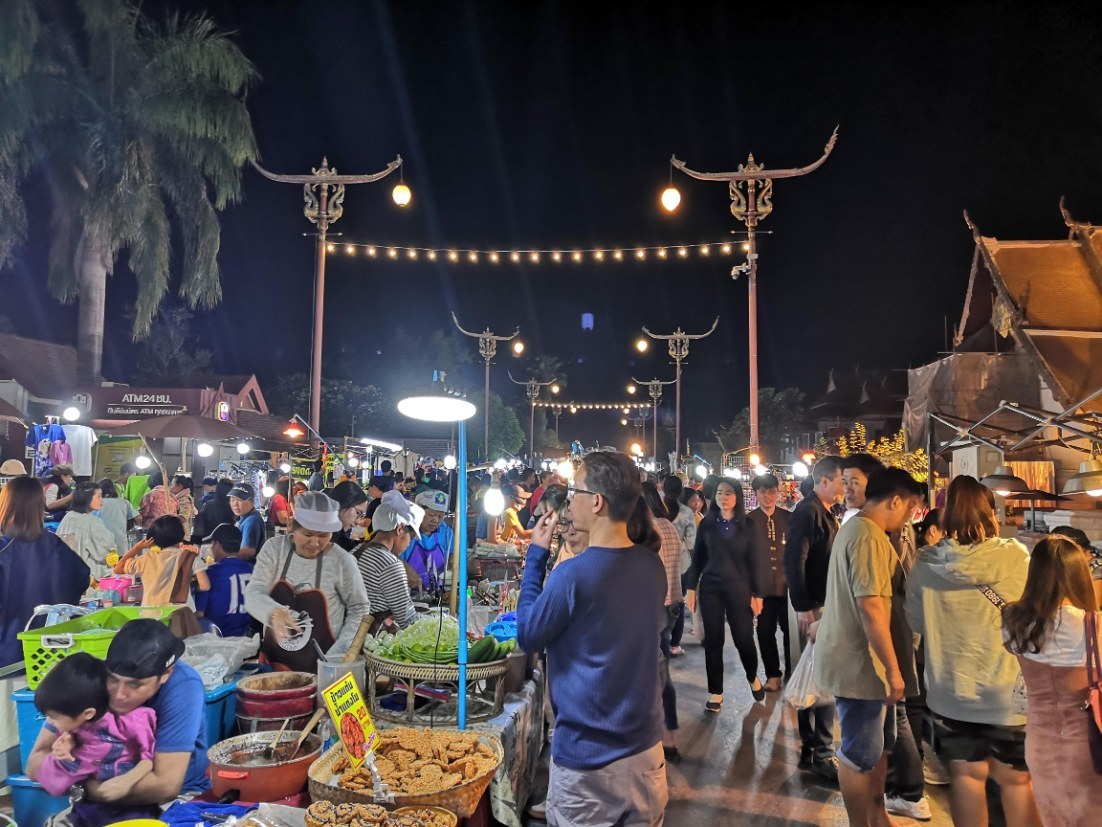
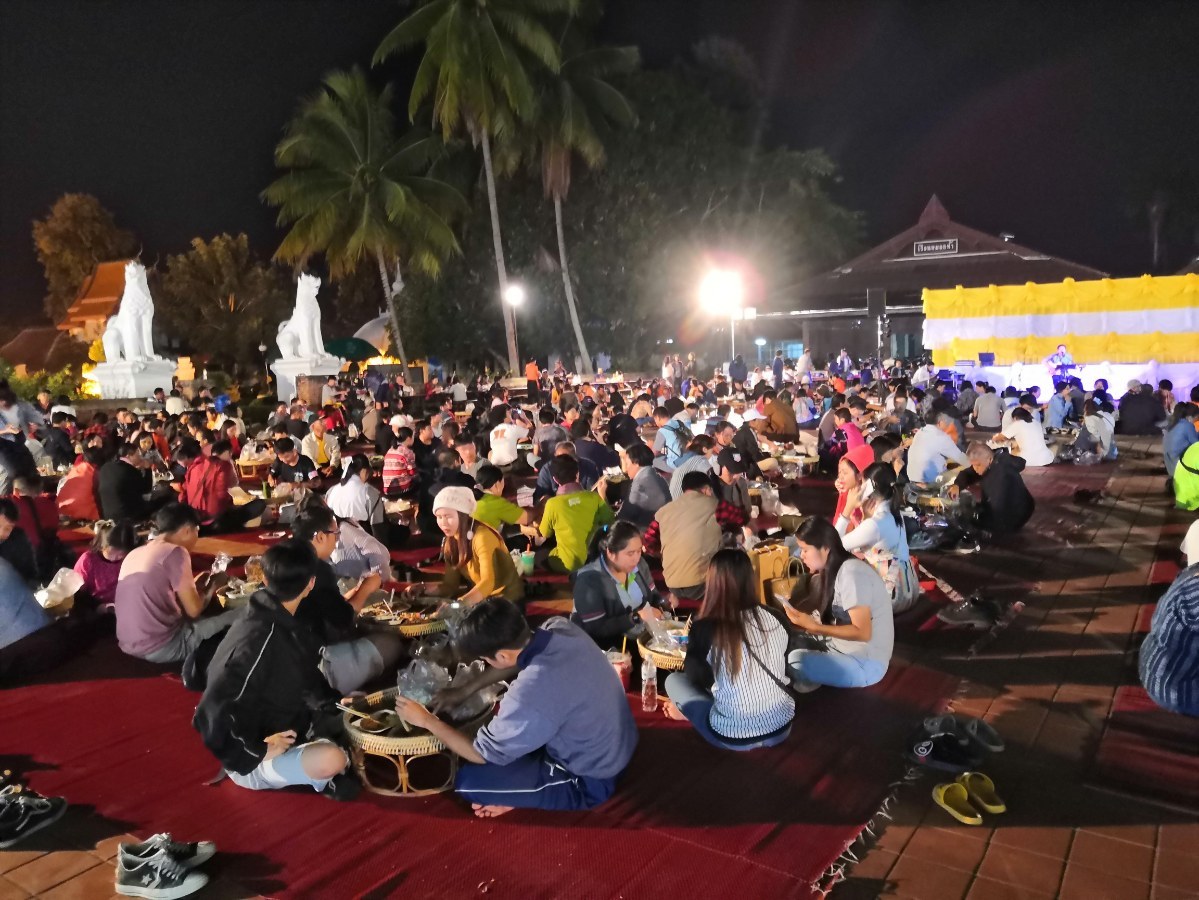
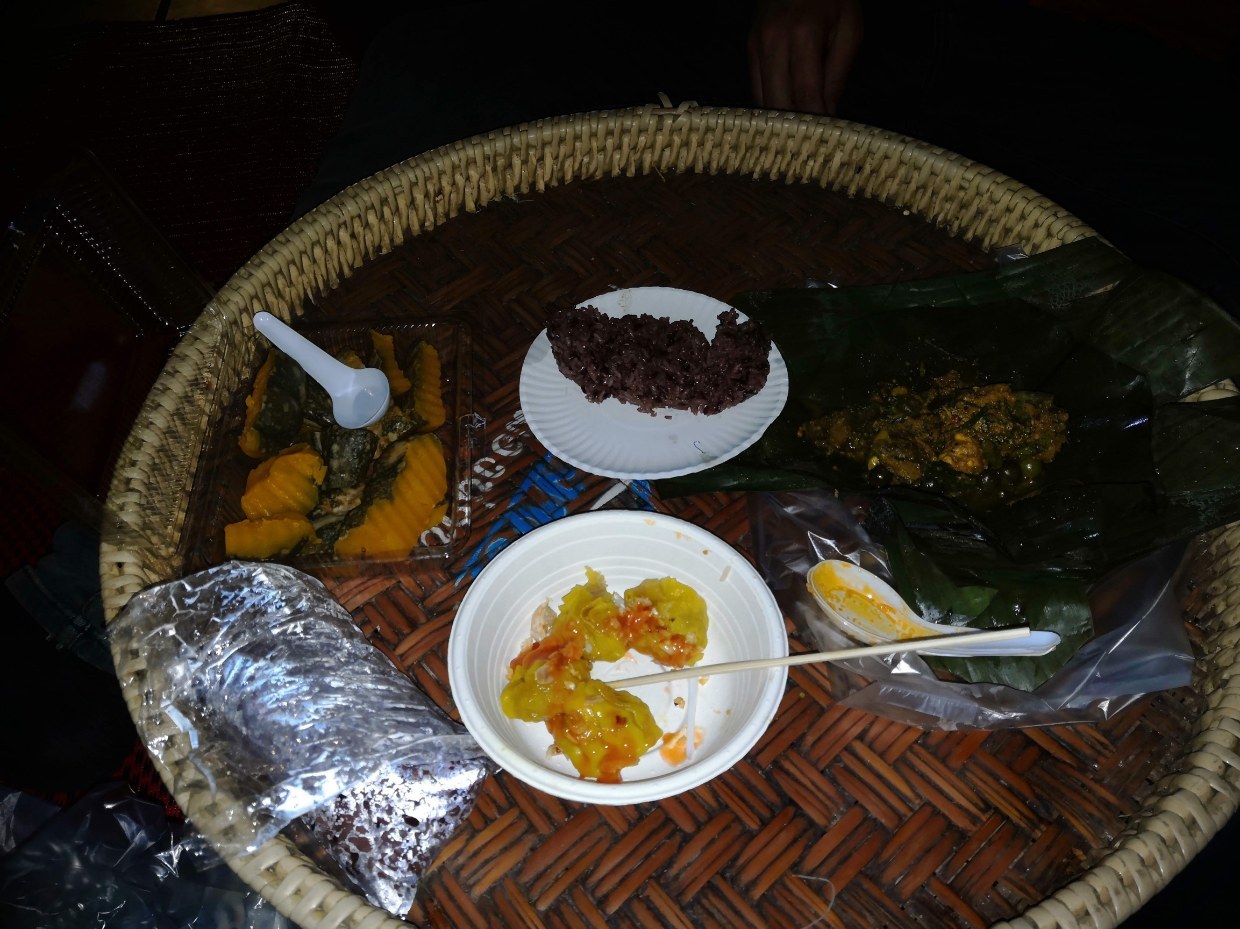
We were lucky because we were in Nan on a Saturday which meant the weekend market was on. It was here that we began to understand the concept of a night market in Thailand, the locals buy their food at various stalls. You buy curry at one stand, fried vegetables at the next stand, a special sauce at the next stand, etc. and of course you buy rice or noodles with it, grab one of the tables and share the food with family and friends. For dinner we were accompanied by Thai songs and a group of elderly ladies performed a traditional dance, this reminded us a bit of China. Later the dance floor was free and all Thais danced in a circle to the music. Of course I could not resist and danced twice in a circle with the locals.
Chiang Mai
Population: 131’091
The classic of northern Thailand. The city is full of small alleys which are decorated with countless cafes and restaurants which invite you to linger. Of course there are also many temples and other sights to visit in Chiang Mai. The best thing in Chiang Mai was the food, it is true that John and I probably spent most of the time on this trip with food, but what I ate in Chiang Mai was really the best I ever ate, sorry China! The name of the dish is Khao Soi and it is eaten in Myanmar and northern Thailand. In Thailand, Khao Soi is a curry-like soup with coconut milk, the soup has boiled egg noodles and meat with either chicken or pork and is decorated with fried egg noodles. Of course the dish is spicy, just the way I like it.

Mae Hong Son
Population: 7’066
From Chiang Mai we took the bus to Mae Hong Son, a big village surrounded by mountains. Mae Hong Son was our base for some excursions, so we went to Pang Oung for two days and we did a three day trek. In Mae Hong Son itself there is a very nice temple on a hill and a wonderful small night market with a beer garden.

Pang Oung
Population: ???
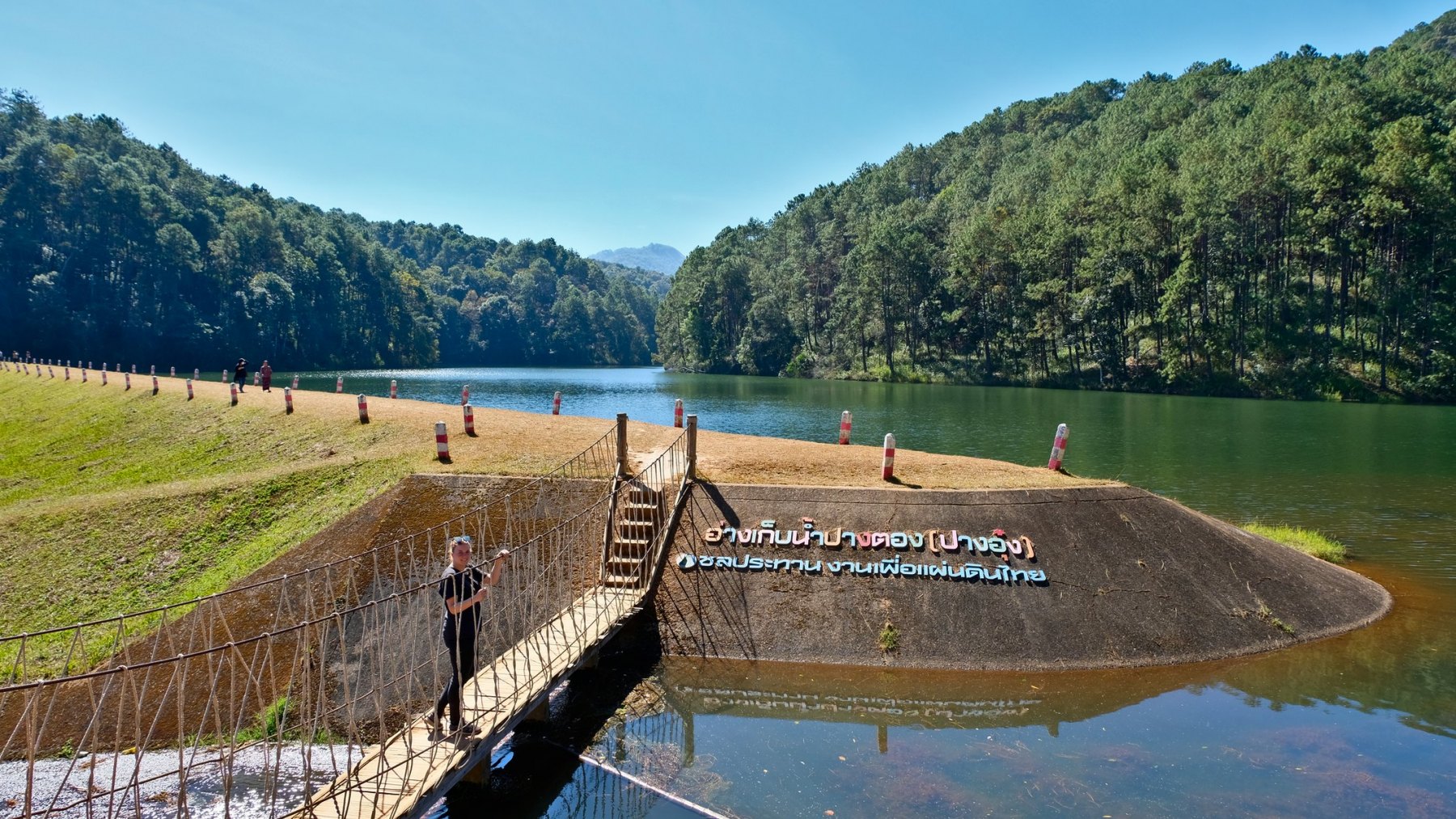
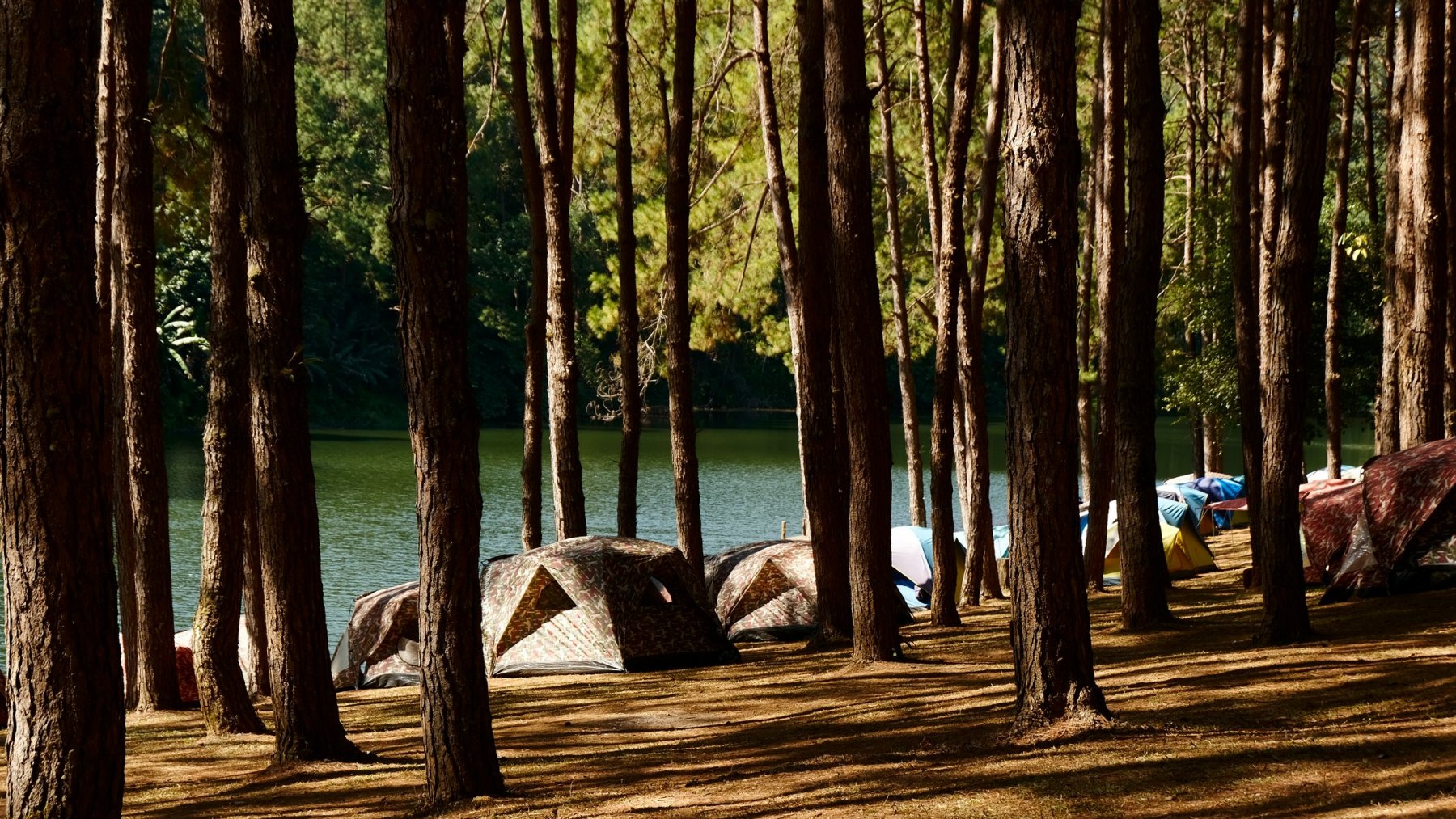
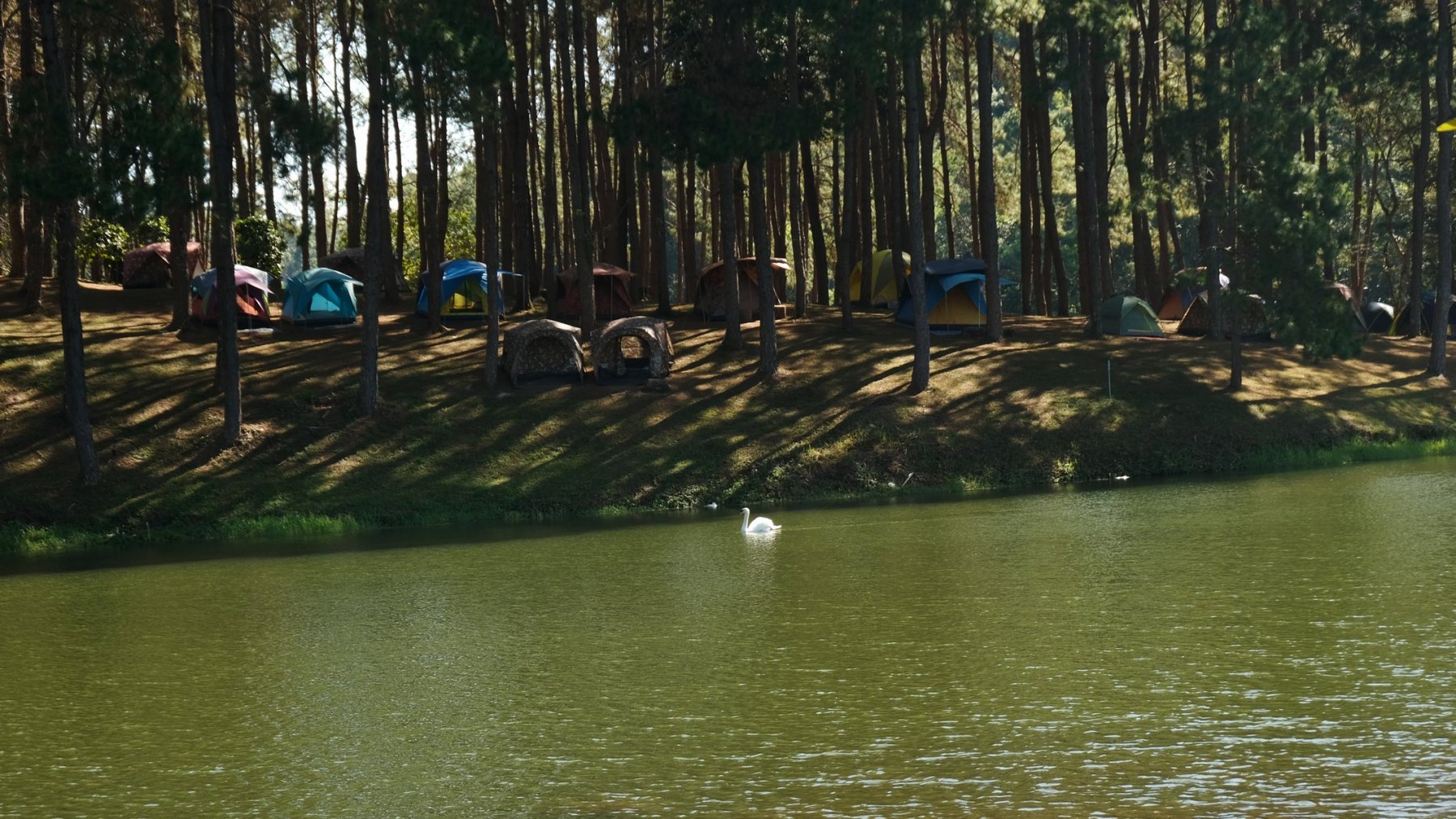
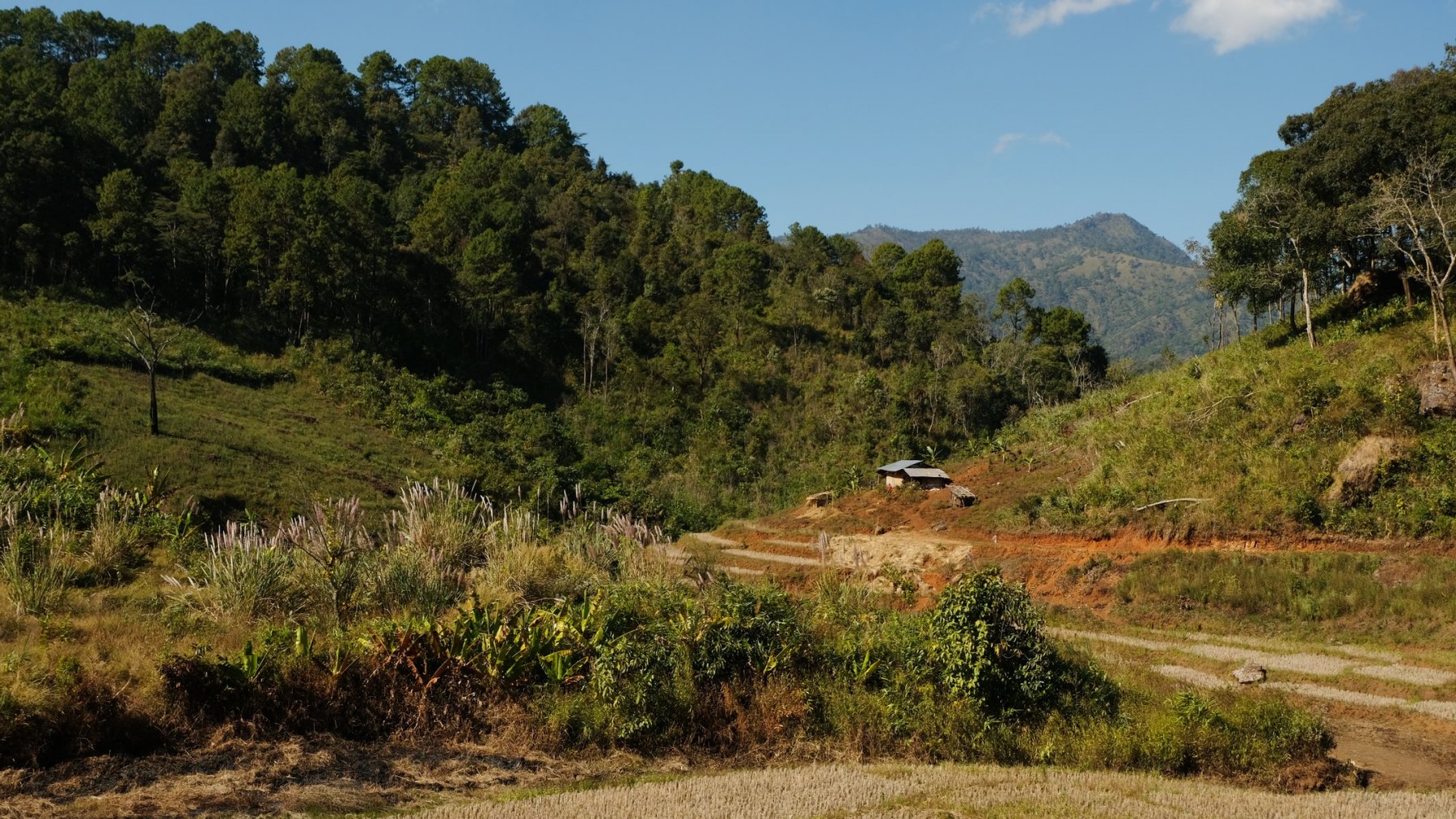
When John told me that in the north of Thailand there is a place called “the Switzerland of Thailand”, I immediately had a picture in my mind. I thought it was a place where all Swiss people go, where the restaurants are run by Swiss people and where you can eat a bratwurst with onion sauce and rösti during the holidays. Oh man I was all wrong, I’m not even sure if there have ever been Swiss people in this there, the name is given because it has a big freshwater lake surrounded by forest and mountains, so it should remind you of the Swiss landscape.
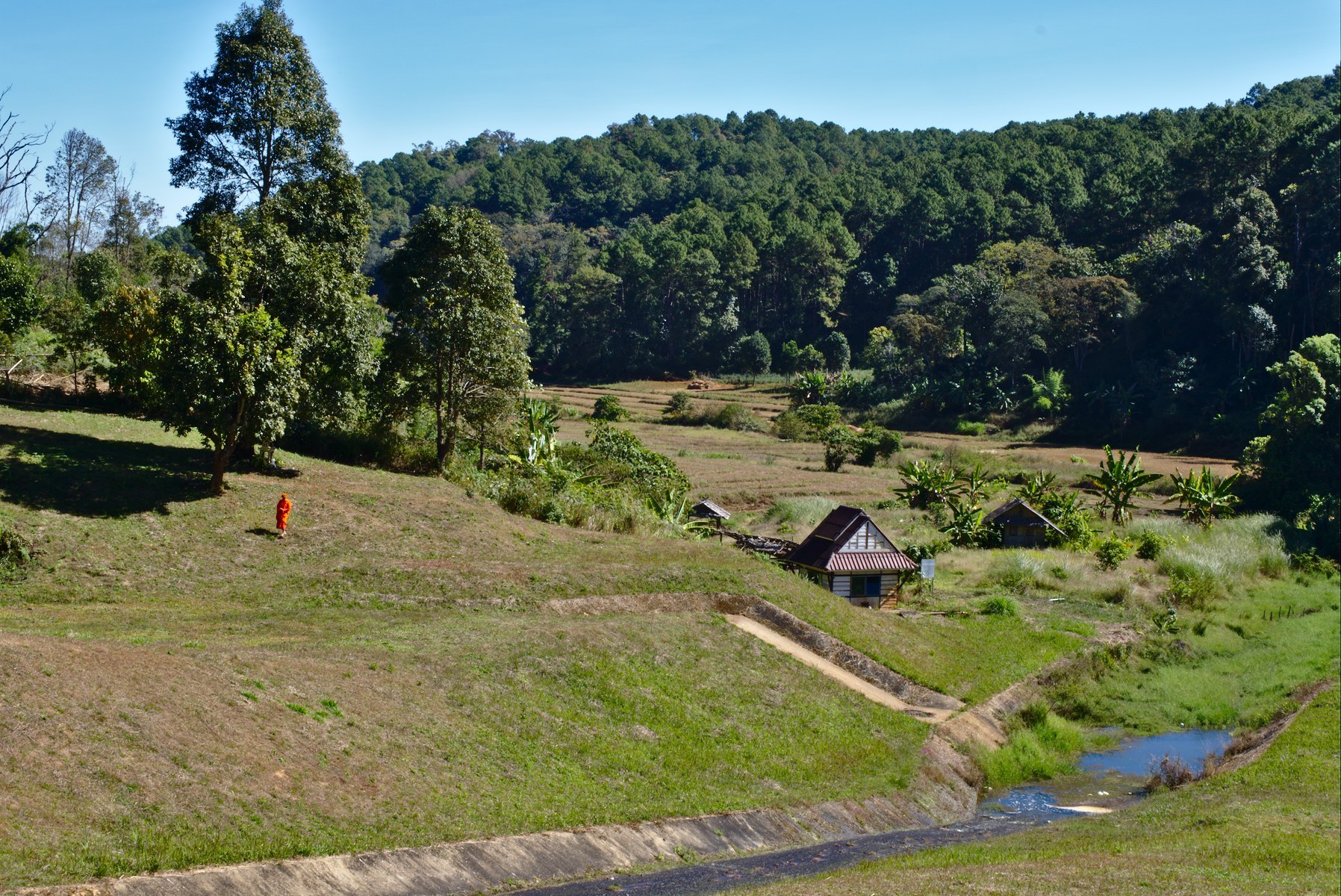
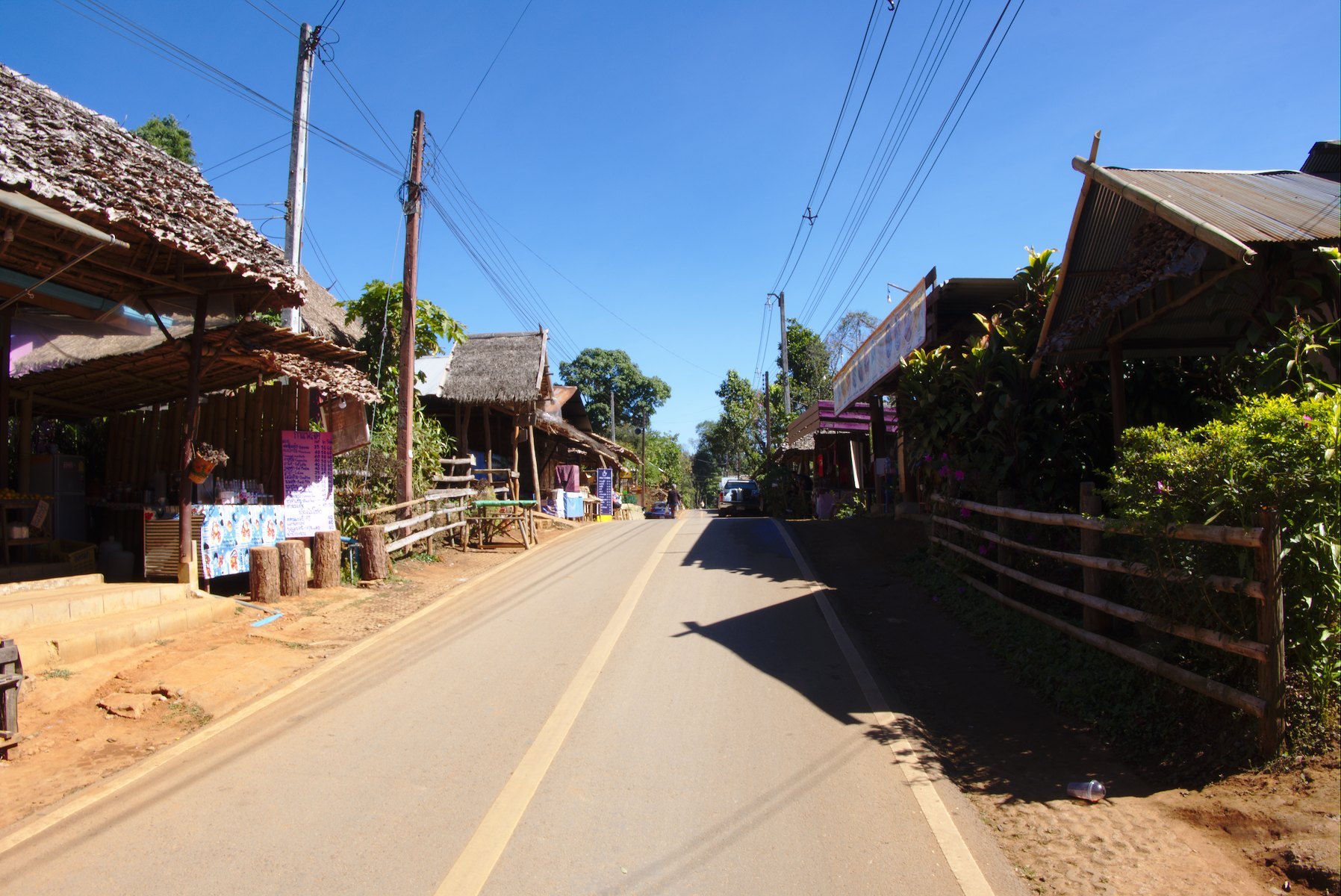
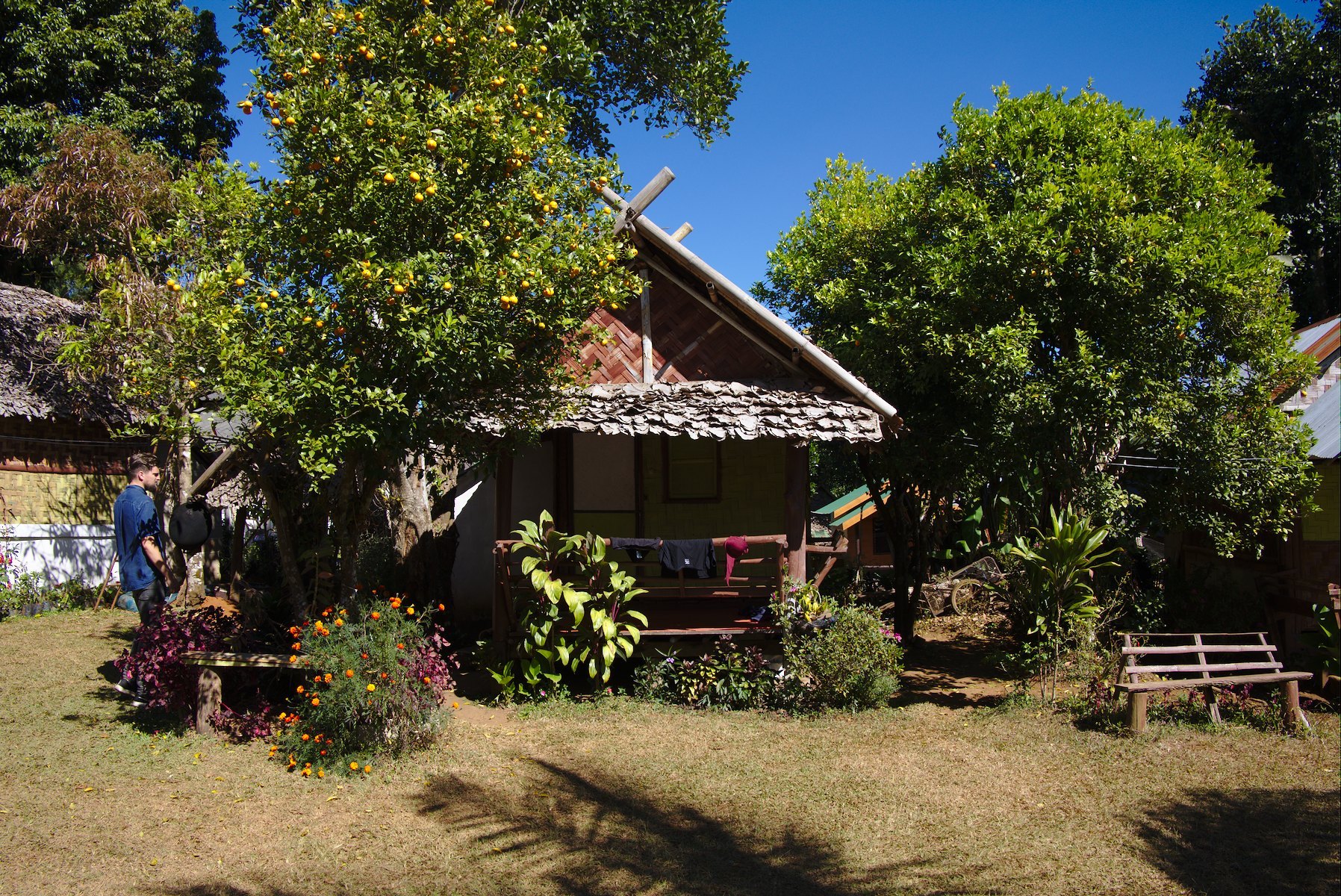
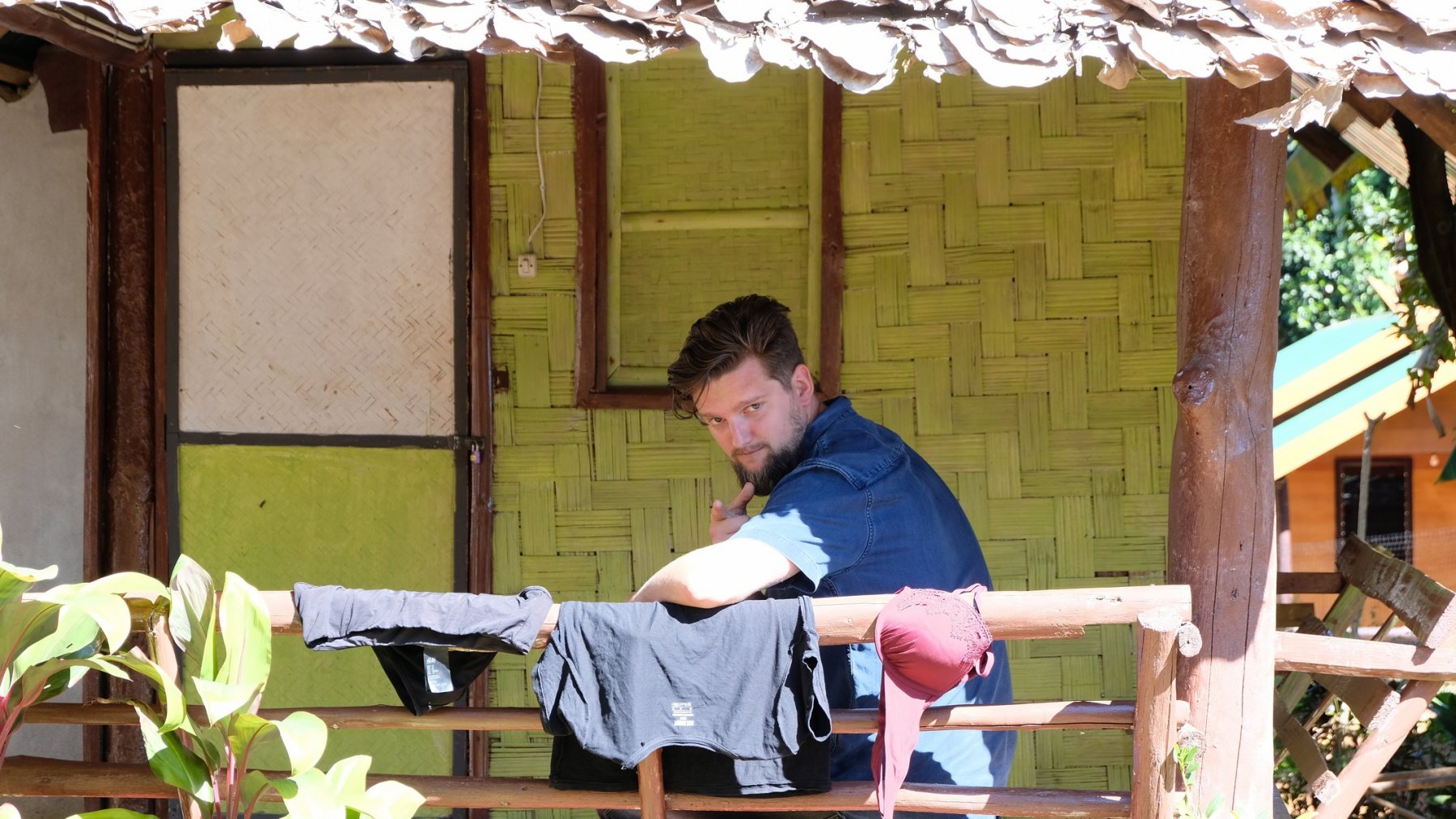
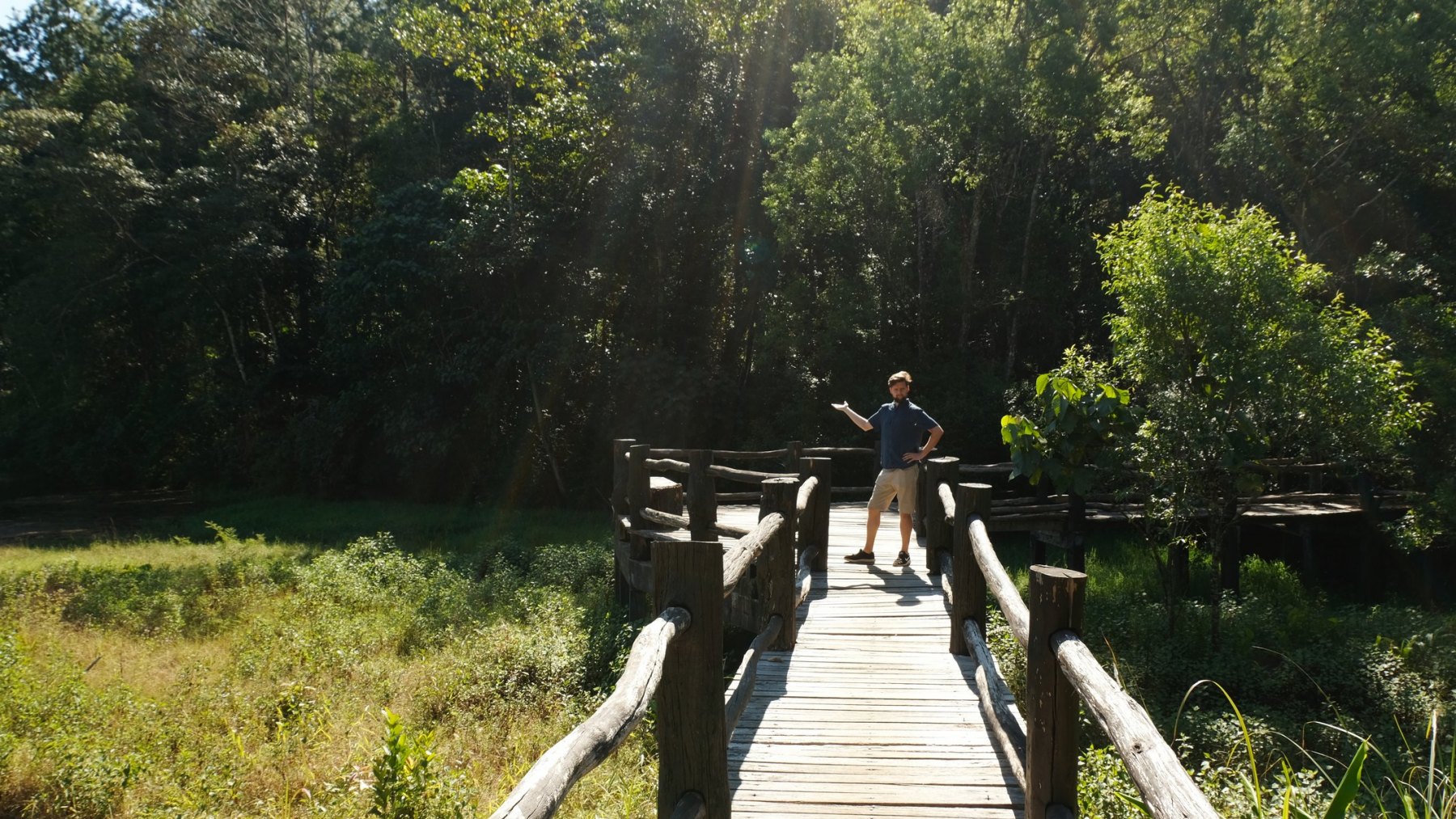
When we arrived in Pang Oung, we immediately discovered that this place is very touristy for Thais. Most of the Thais were from the south of Thailand, they recover in Pang Oung from us tourists in the south. The surroundings are beautiful, we spent our days hiking and relaxing.
Pai
Population: 2’284
Hotels/Hostels/Guest-Houses: 350
7/11: 9
Since we had been in Southeast Asia and encountered travelers who were in the north of Thailand, this place has been mentioned again and again: Pai. If you search the internet for it, you will read about this idyllic village in the north of Thailand, where a hippie community settled ten years ago. We knew Pai was probably not for us but since the way back from Mae Hong Son to Chiang Mai passes Pai one way or another, we decided to stop in Pai for one day, it was Christmas day.
The village has developed into a place where there are restaurants that serve organic avocado toasts decorated with vegan chocolate sprinkles and matcha coffee. At the night market you will be served by western hippies, there you can buy everything that makes our western hearts beat faster: kebab, pizza, hamburgers, gyros, bread etc. In Pai you don’t have to struggle with Thai life, here you can live like in Berlin. Many of the people we met in Pai raved about the fact that they have been here for weeks and find it difficult to travel on, for us it was the opposite. We were happy to travel on the next day and enjoy some spicy Khao Soi in Chiang Mai before we went on to Sukothai.
Sukothai
Population: 37’000
Sukothai is often referred to as the place of origin of Thai culture and language, it is famous for the ruins of the old town with many temples which are over 700 years old. We rented a bike and followed a path through several small villages until we arrived in the old town, it was beautiful. The landscape and the locals waving and greeting you with the biggest smile. In one village we stopped and ate in a small local restaurant, it was one of the best meals we had in Thailand.

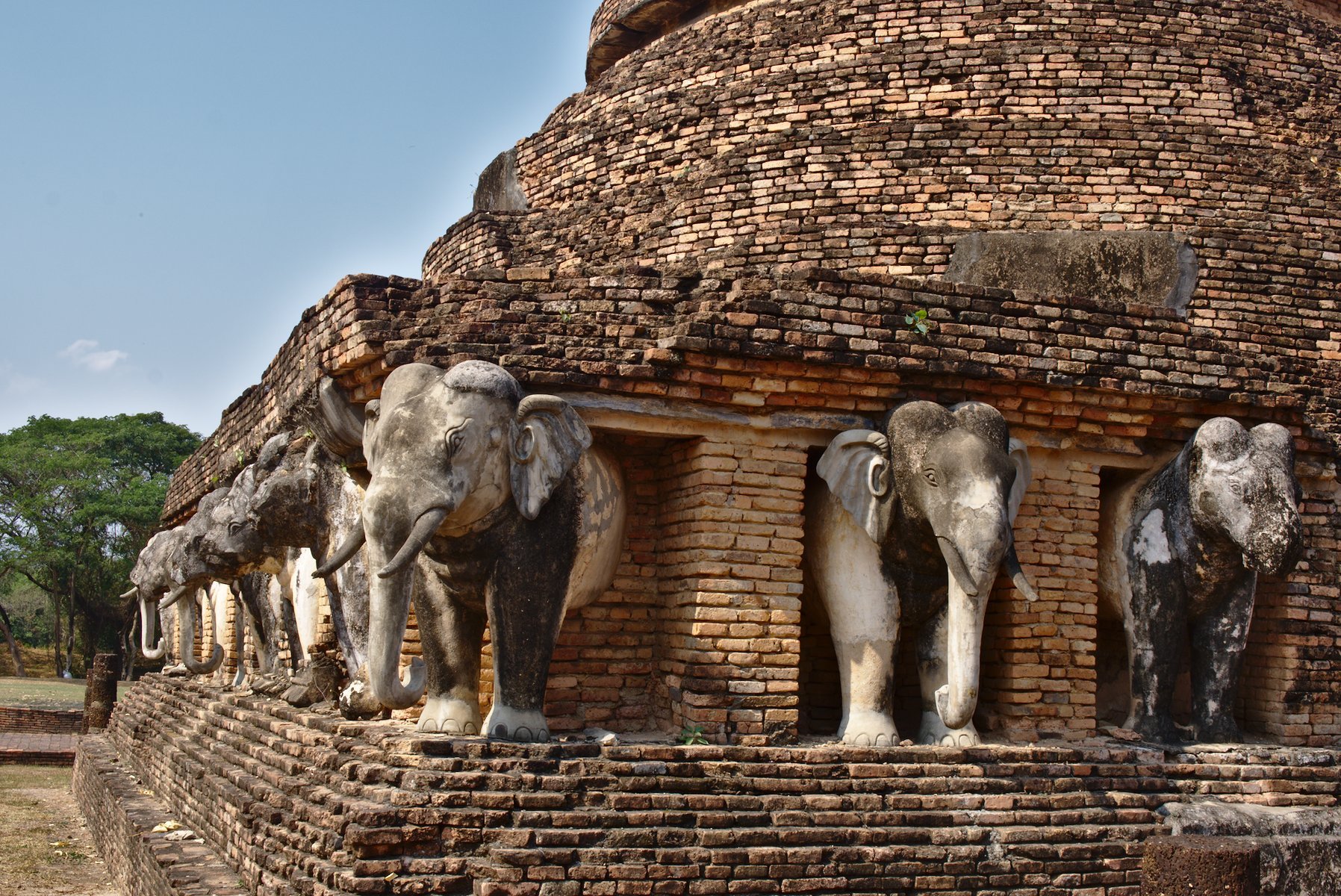
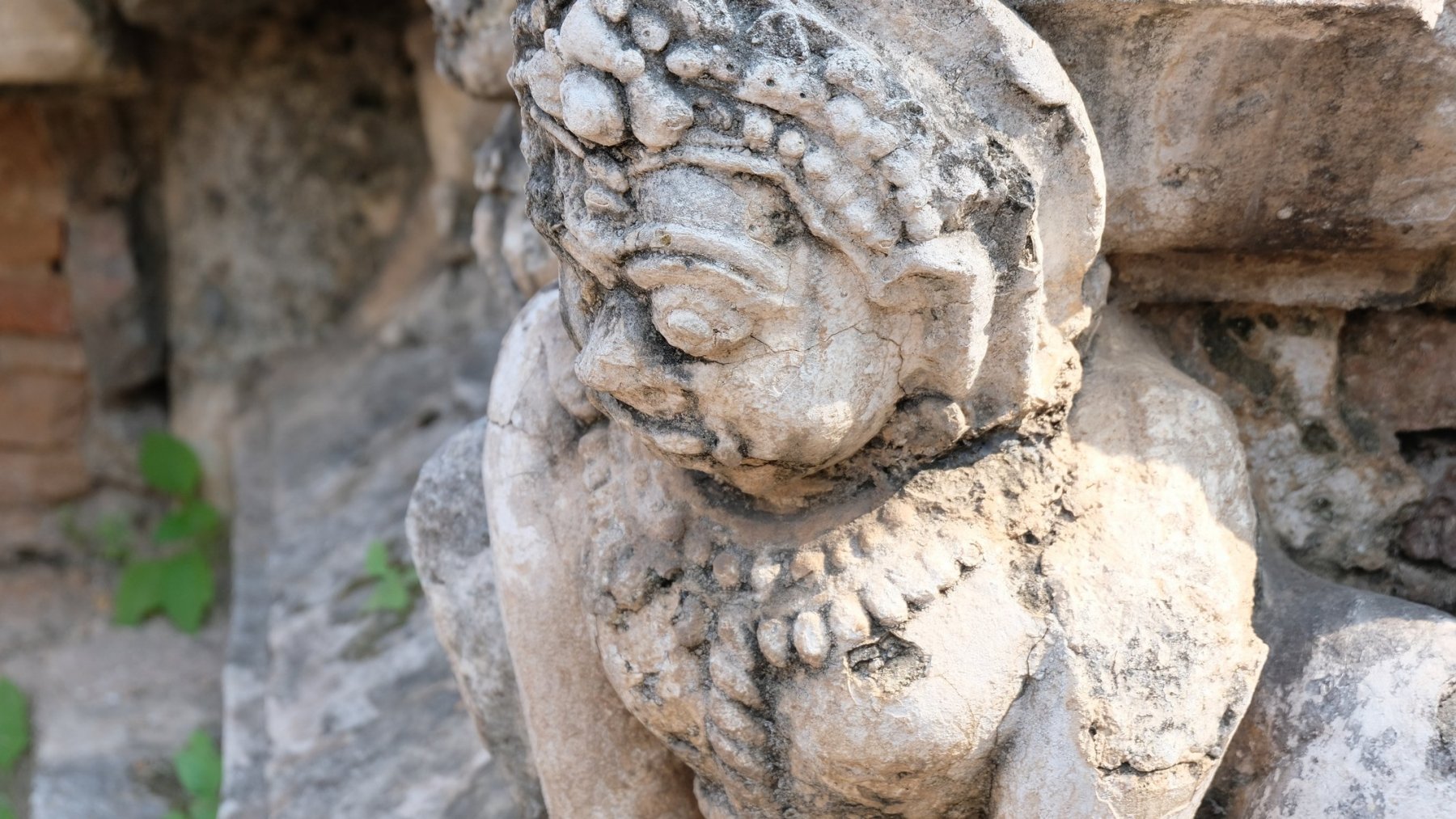
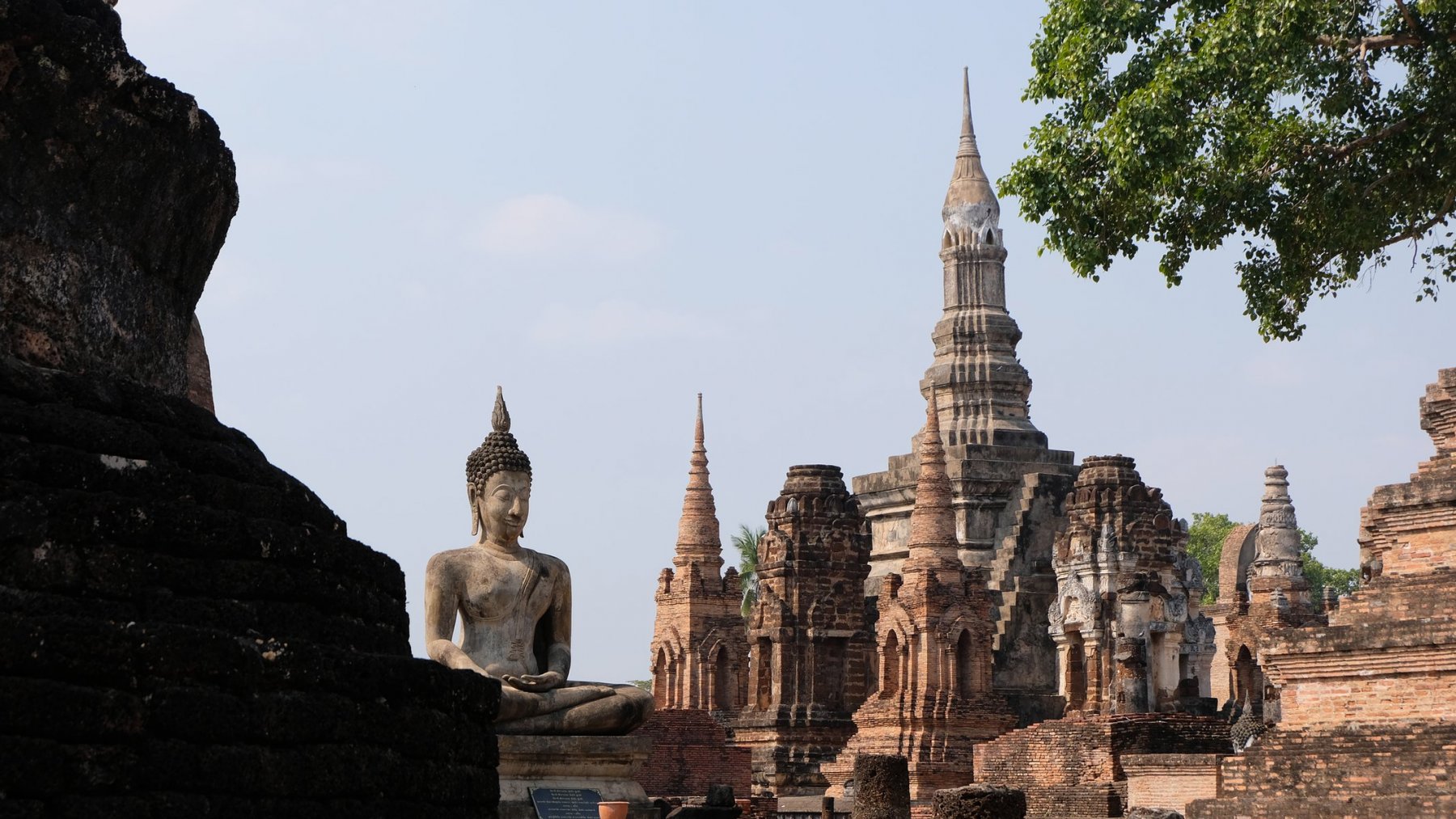
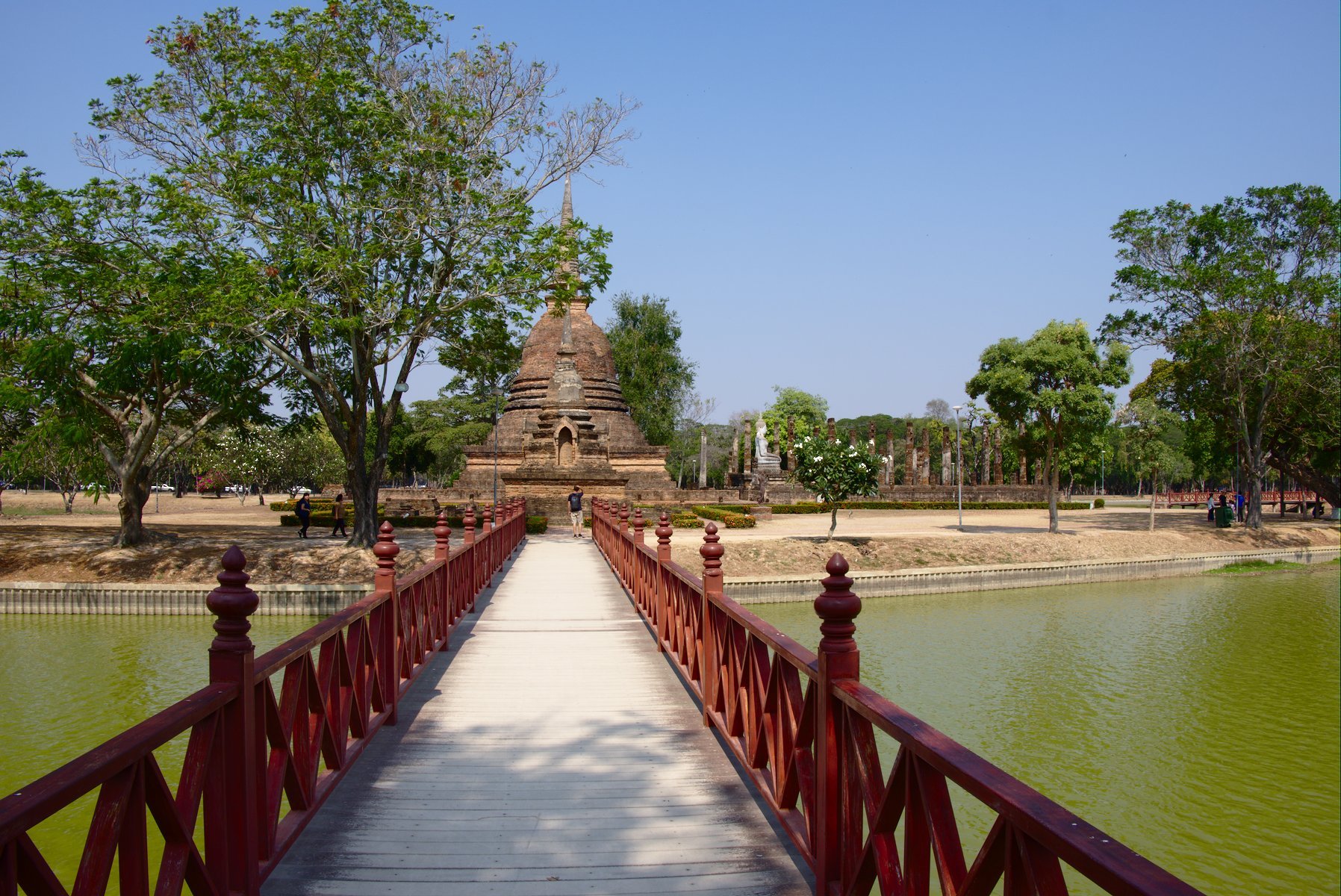
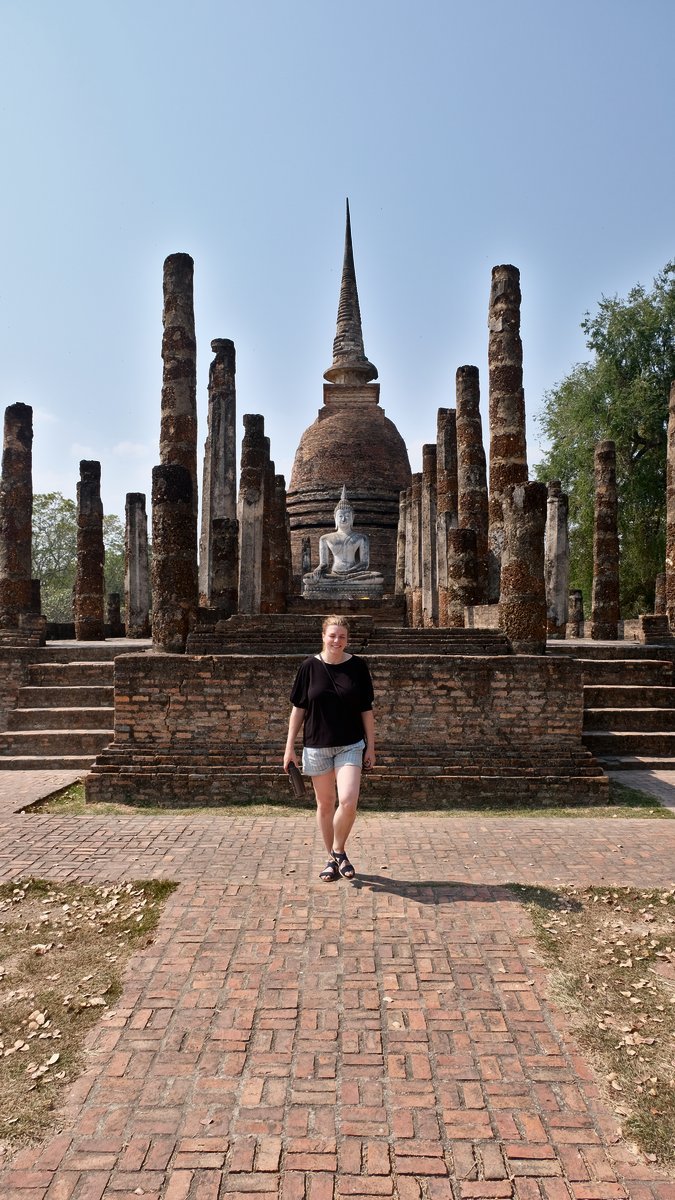
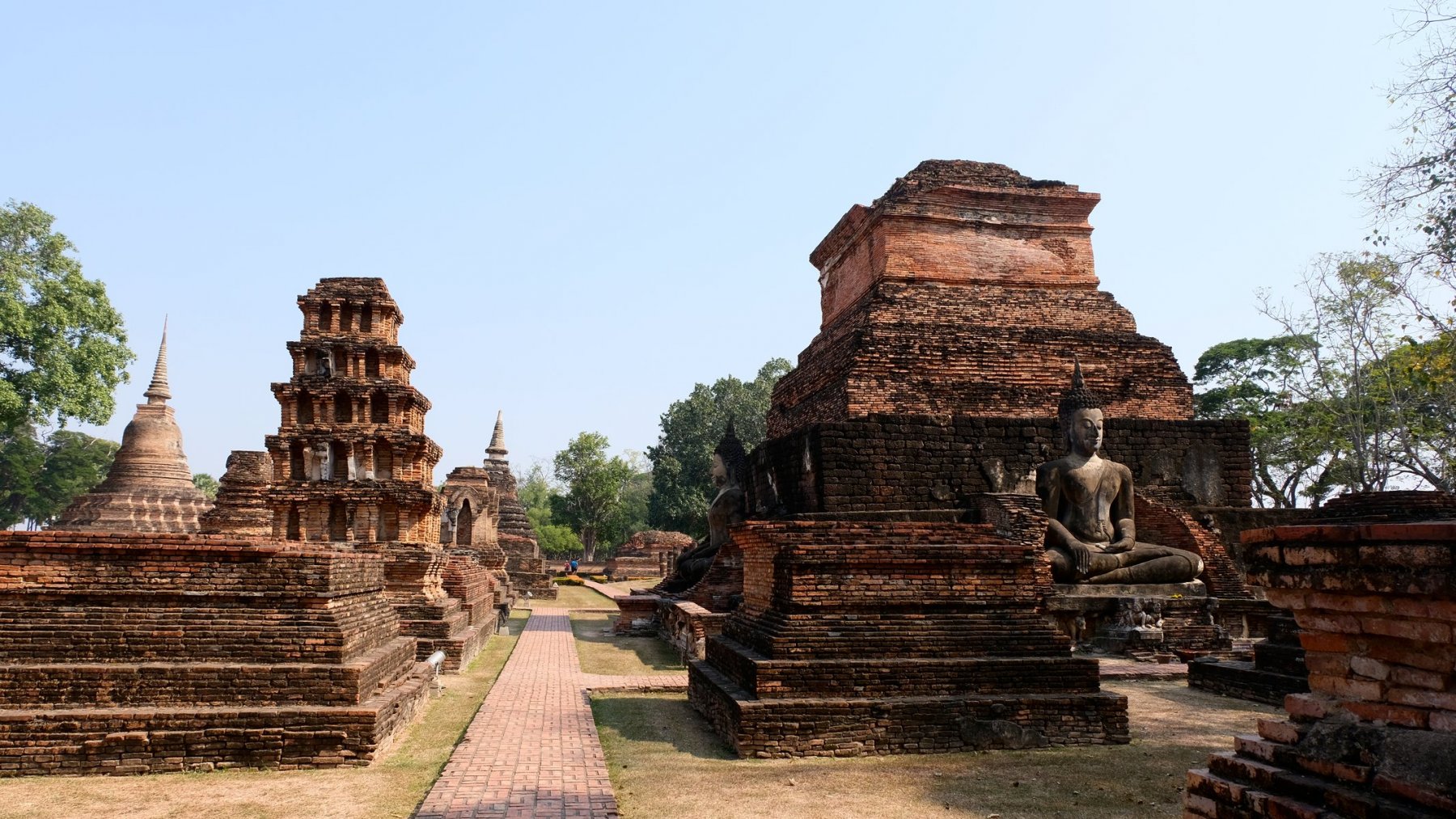
We spent the weekend in Sukothai, so we could enjoy a weekend market one last time in Thailand.
From Sukothai, we made our way to Myanmar where we still have a lot to report. We liked the north of Thailand very much and would like to return someday.