
Translated from Mirjam’s original post in German
From the small border town in China Pingxiang we travelled across the border to Hanoi, the capital of Vietnam. When we arrived we realized very quickly that we are now back in a tourism stronghold. Until now we were often the only western tourists, especially in Russia and China we met very few westerners. In Hanoi in the old town every second person was European – you hear English, French and German on every corner. It felt difficult to get in contact with the locals and to feel how they live. Therefore we were looking for something that would bring us closer to life in Vietnam and came across the project Da Bac Community Based Tourism.
What is Community Based Tourism?
This concept is about slowly introducing tourism to, for example, a remote village and making sure that all inhabitants of that village benefit from it. The idea is that the inhabitants can keep their culture, that the village is not plastered with hotels and restaurants for tourists and that with a part of the money projects can be realized from which all inhabitants benefit, such as a school.
Da Bac
Da Bac is a district in the Hoa Binh province in the northwest of Vietnam about three hours away from the capital Hanoi.

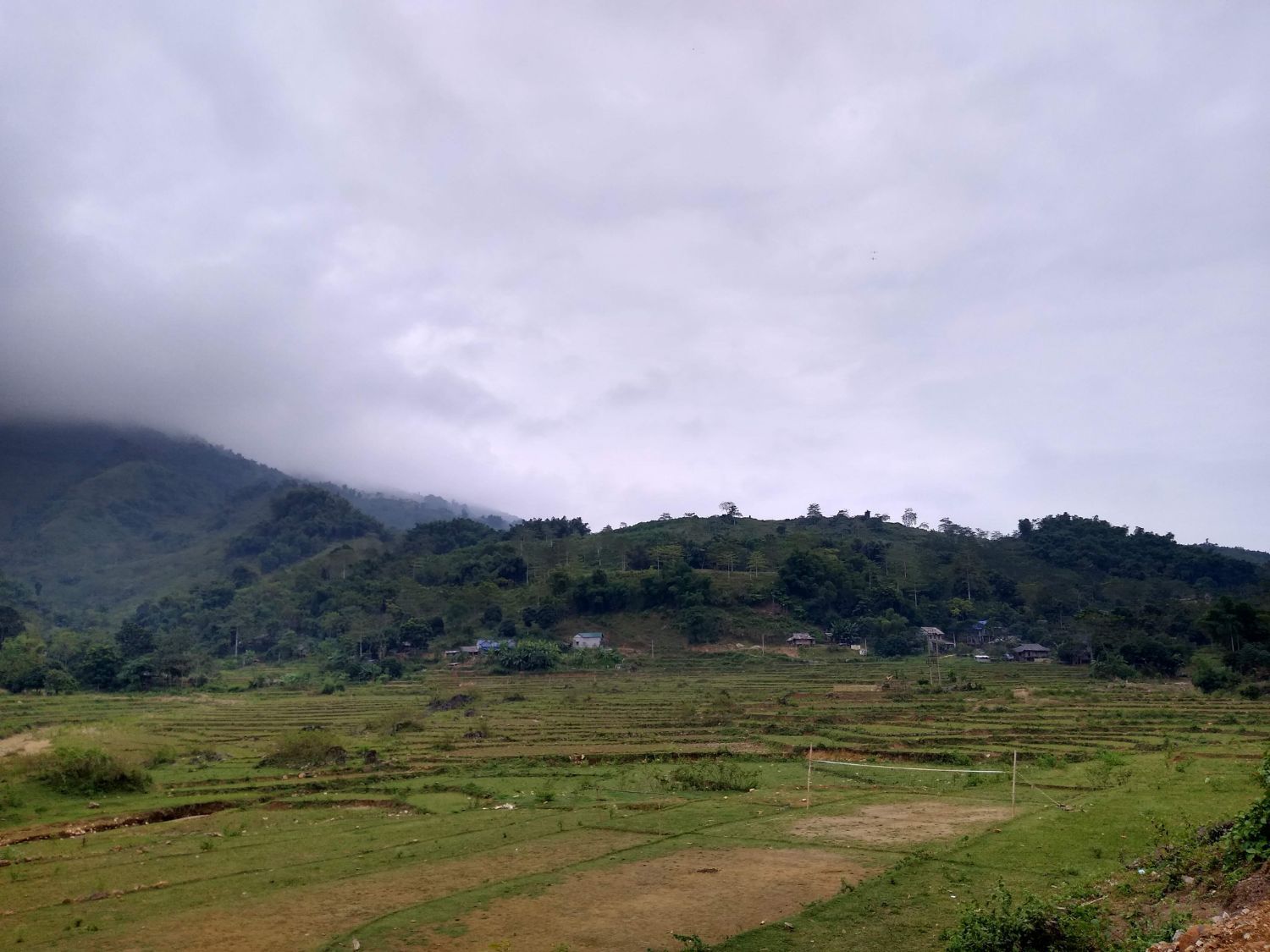
The project is being implemented in three remote villages: Xom Đá Bia, Xom Ké and Xom Sưng. The Muong people live in these villages, the second largest ethnic group after the Kinh in Vietnam. The culture goes back more than 10’000 years, in a Muong village there are between 10 and 50 households and the villages are mostly quite remote. Today, the Muong live mainly from rice, but also from fishing, hunting and manual work such as weaving, embroidery or spinning.
The CBT project in Da Bac gives the inhabitants the opportunity to set up an inn so that tourists can stay overnight in their house. They will be trained about our culture and how to deal with tourists, and they can also take part in a voluntary English course. Afterwards they will be supported to rebuild their house, a room for the tourists will be built, western toilets and showers will be installed which is a plus to improve the hygiene in the villages. In each homestay the family cooks three meals for the guests. This way they receive a regular income, which is paid monthly by the organisation and not directly by the clients.
But accommodation is not the only servce provided, in this CBT project all villagers with different roles can participate. For example, they can pick up tourists by motorbike, lead hikes, show the village, give a cultural performance or show the daily work and operations. All are paid monthly and no one is paid directly, because the project keeps a part of the money on the side to realize projects that benefit the whole village. For example, in Xóm Sưng a Sunday school has been built where the children can learn the traditional language of the people so that it is not lost.

Three days in Da Bac
Two days before we went to Da Bac we contacted the project and asked how we could book a stay like this. It was already late in the evening, but Hung (a co-owner of CBT Da Bac) answered immediately and gave us a fixed program with three nights and activities. It sounded very good but for us it was also very unusual because on our trip we never had a tour planned by someone else before. But the price was a bit too high in our travel budget and we explored if it is possible to do less activities and maybe stay in two instead of three villages to save some money. Immediately he answered us with an adapted program in only two villages and less activities, then we booked the three days.
Arrival
Most people who travel to Da Bac go on an organized tour, for example the well-known travel company Interbit stops in Da Bac. In other words, it is very rare to travel individually by public transport, most people come with a group or organise a taxi. We had the instruction from Hung that we should take a bus a little before seven o’clock in Hanoi to Hoa Binh and from there bus number seven to Cao Son. If you have ever taken a public bus in Vietnam you know how stressful it can be. As soon as you arrive at the bus station in Hanoi you are surrounded by people who seem to know exactly where you want to go. When you ask for a bus, the answer is often that the bus does not exist, but you can take their bus and have to change at another place. The problem is that the buses are all privately operated and there are many buses that go in the same direction.
Luckily, this time we very quickly found the bus that went to Hoa Binh, but we were a bit unsure, because everything went very fast. We arrived at the right place but much later than Hung told us and we realized that we probably caught a bus that was not on the direct route. Because these buses always stop everywhere, deliver packages, pick up new packages, new people get on and people get off somewhere in the middle of the highway. So it’s very difficult to know if you are on a direct bus or not.
When we arrived in Hoa Binh it was the same problem again, but this time we knew that we had to wait for number seven. But again many people came to us and gave us all kinds of information about the bus not existing, or that they will give you the information if you buy something from their stand. We just decided to wait and after 40 minutes the bus number seven showed up and we got on.
We arrived in Cao Son and a woman and a man were waiting for us with two motorbikes, we gave them our luggage which they put between their legs, put on a helmet and sat in the back on the motorbike. I had only sat on a motorbike once before on a straight track, so this ride was quite an adventure. The roads were unbelievably bad, it was just earth with lots of holes that she had to go around and the road went up and down over different hills and every time we went downhill I almost wet my pants. But the view was breathtaking, the whole trip took about 30 minutes and was an experience. When we arrived at the family’s house, John was nowhere to be seen and I couldn’t communicate with the locals because nobody could speak English. After 15 minutes John was still not there and I was convinced that something happened. After about 20 minutes John and his driver reached the family, I asked John what happened and he told me that the bike had a flat tire because it was too heavy!
Xóm Sung
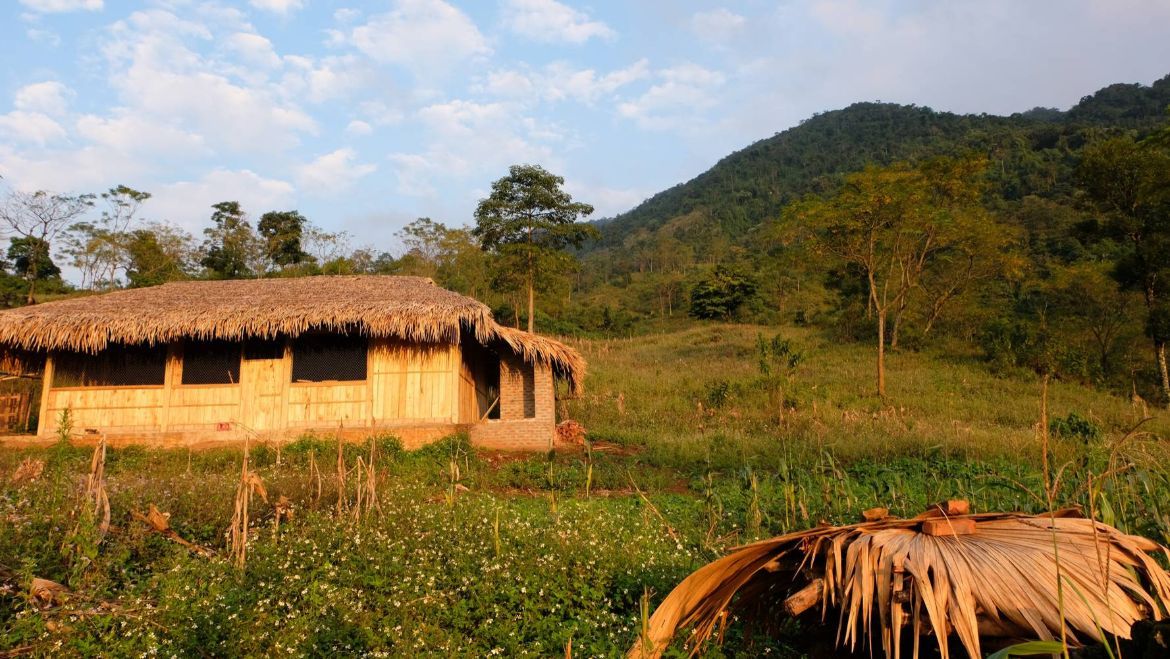
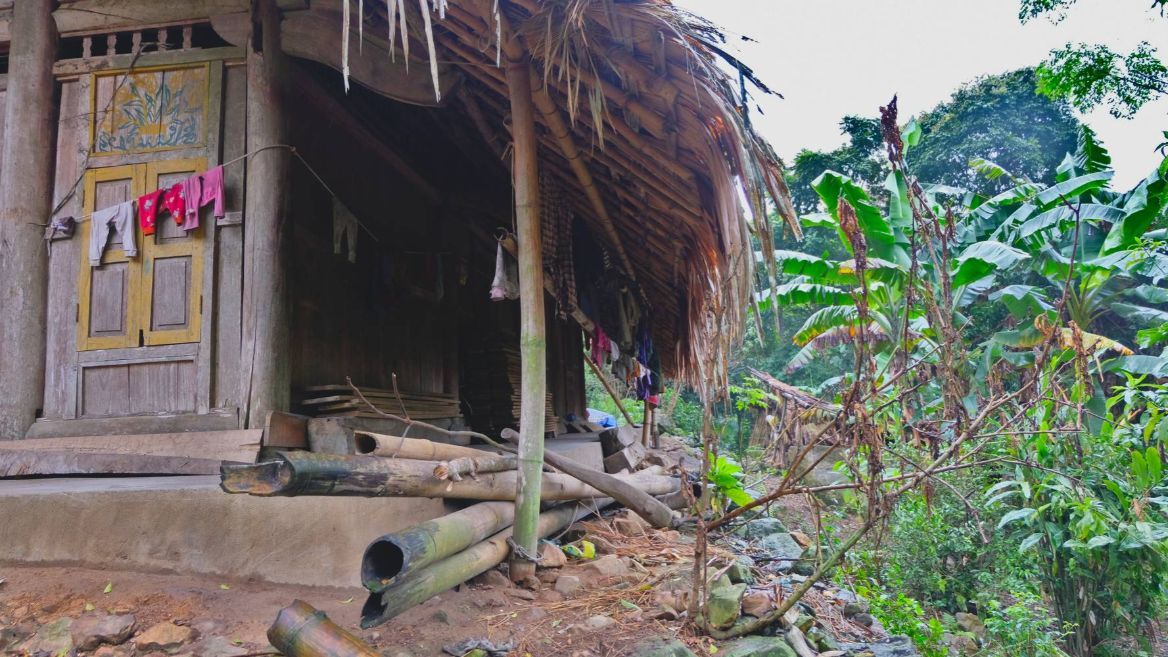
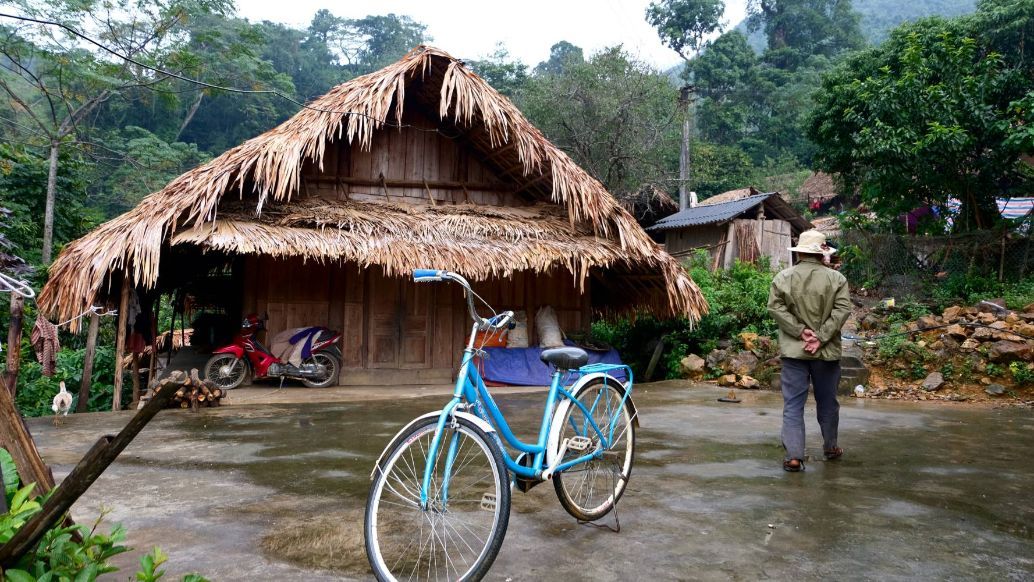
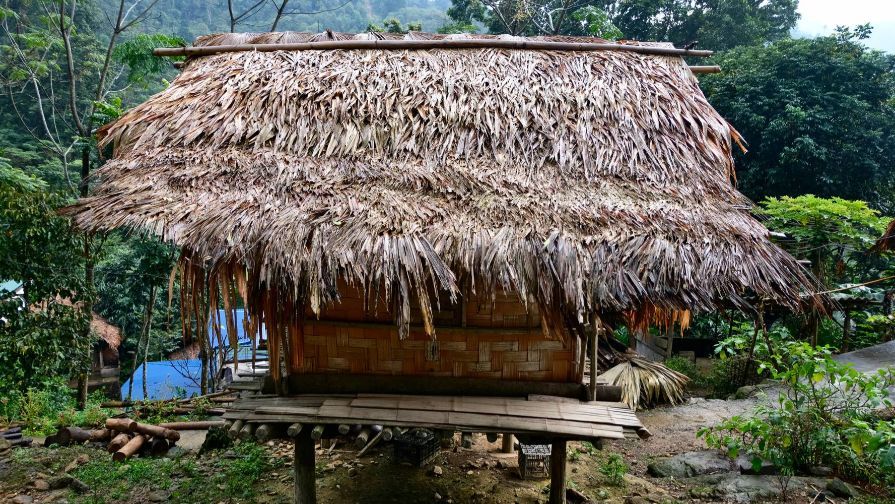
After arrival we were introduced to the family, it was a family with three children, two of them boys and one girl. The family did not speak English, so we could only communicate in a very limited way. The house was completely built out of wood, and the roof out of palm leaves. There was a separate room with 16 mattresses and a mosquito net for each bed, this was for the tourists. In the back of the house the family sleeps. The kitchen is open and only covered at the back of the house. Next to the house are the toilets and showers and it has a big terrace with tables and a TV, where we can use as a living room for the family. In Xóm Sưng there is no internet connection, only some families have a satellite with a TV. In the evening some villagers came to our family to watch the news and during the day other children often came to watch a children’s program.

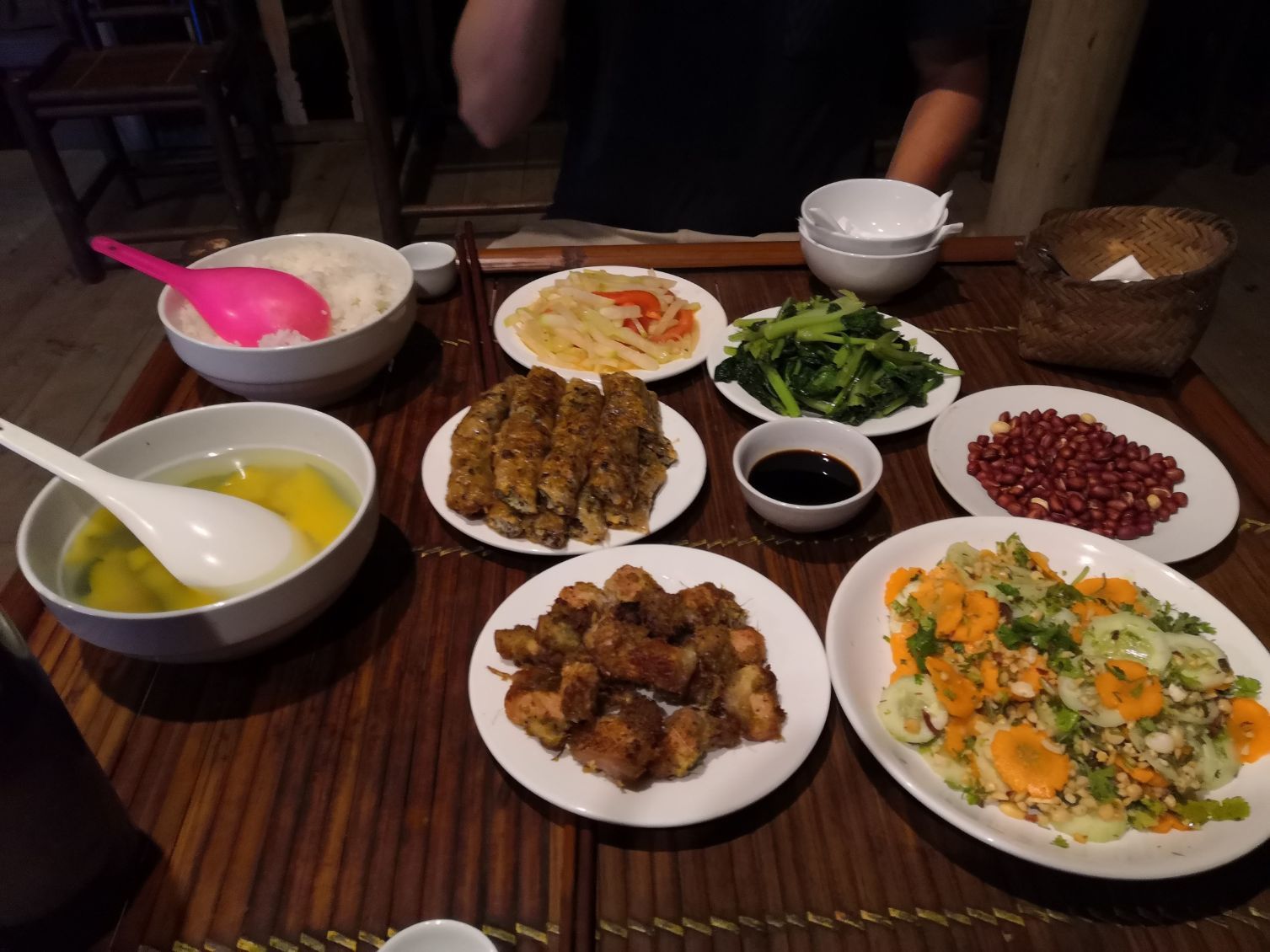
First we were served lunch, the food was generally very good in Da Bac with many different small dishes and of course rice. It was always a little bit too much food and we could unfortunately never eat it completely, but the family always fed the dogs with the leftovers.

After the refreshment came Hung, who organized our trip with a Danish couple for tea. Immediately we got along great with Mikkel and Cecillia and Hung decided that we could do the afternoon activities together. For us it was of course a huge benefit, because with Hung we had someone who could translate between the locals and us. Because you have to book an English translator, which we did not do. We also got to enjoy a more extended and special tour, because Mikkel works in a travel company and Hung wanted to give him a deeper insight.
So we started with the two local guides, they showed us the village and explained us exactly how life in the village works. We walked over the fields, could harvest corn together with the locals, visited a cave, we were told the legends the people believe in and at the end we could look at the traditional clothes and even try them on.
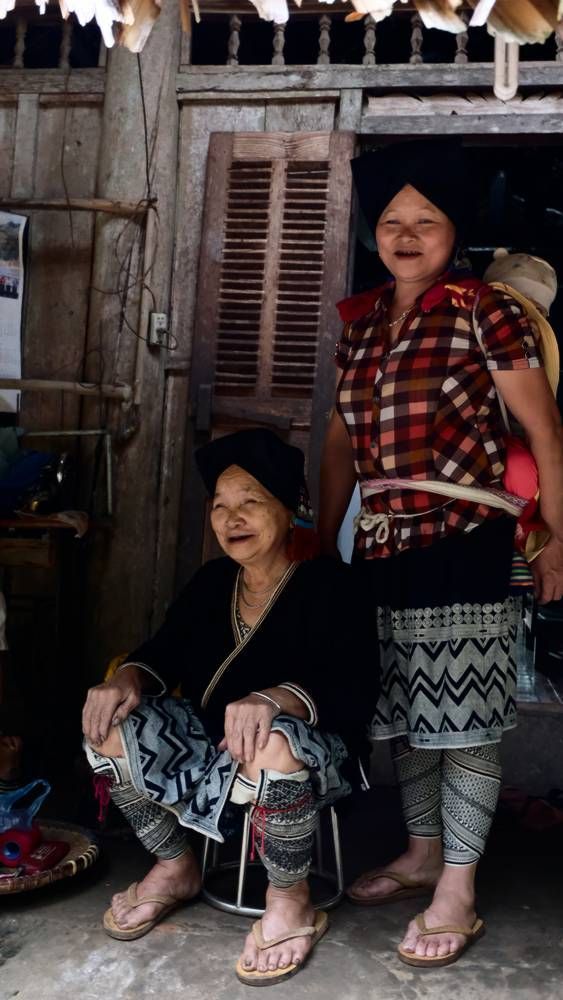
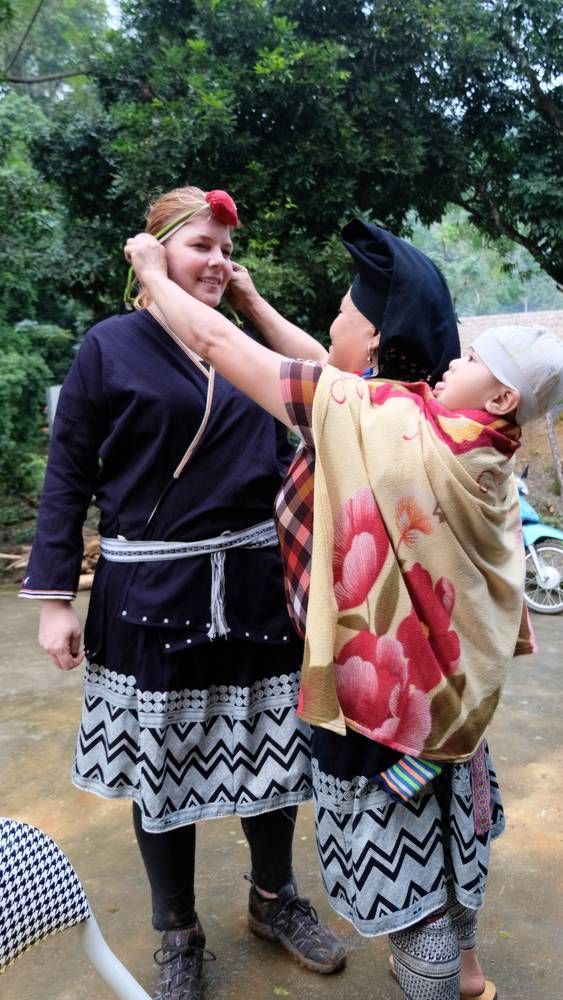
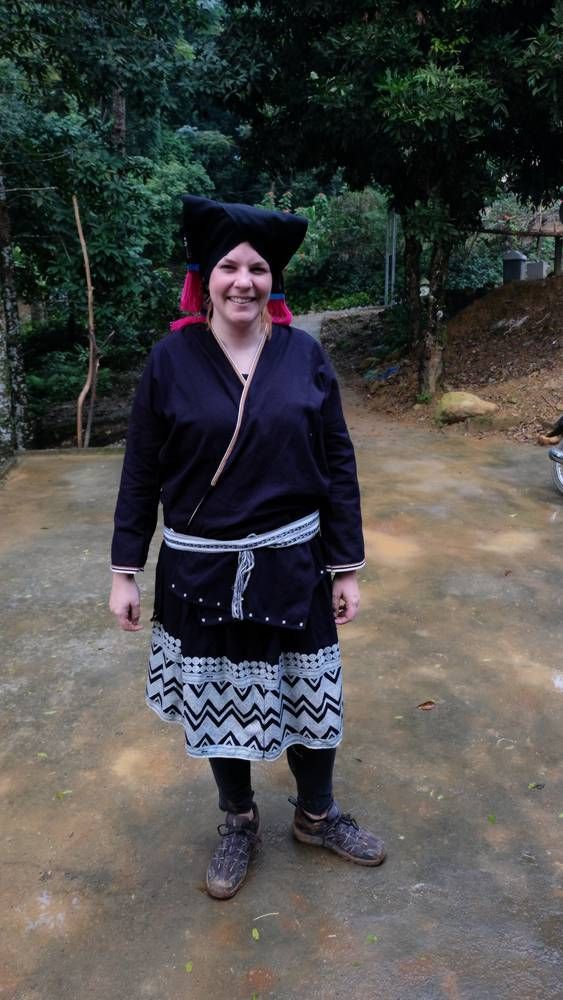
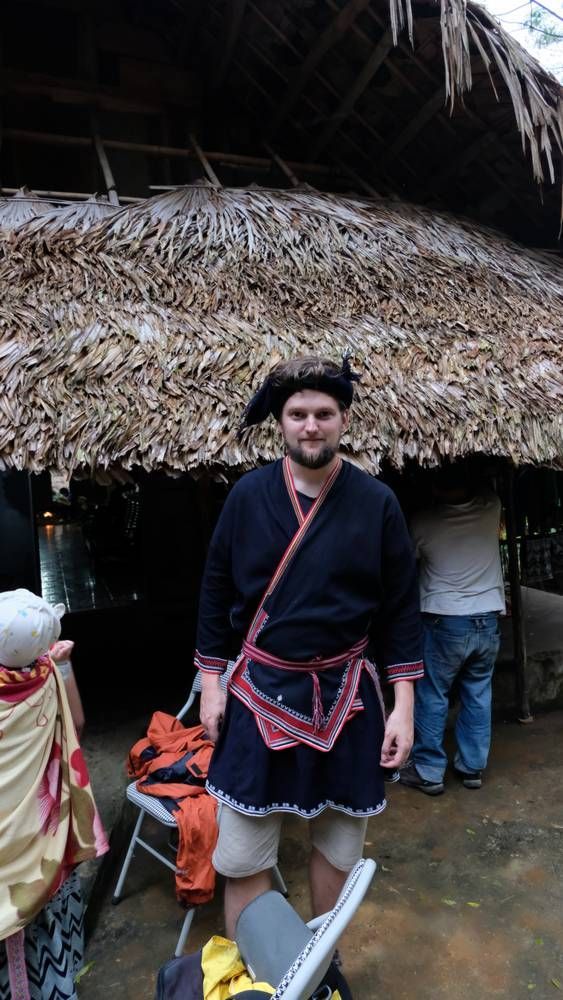
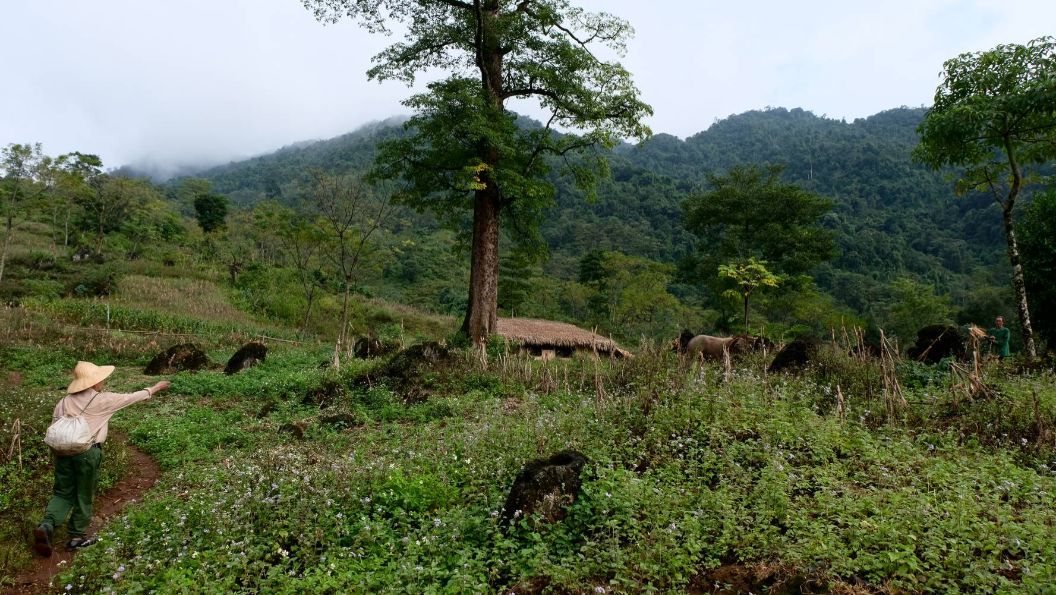
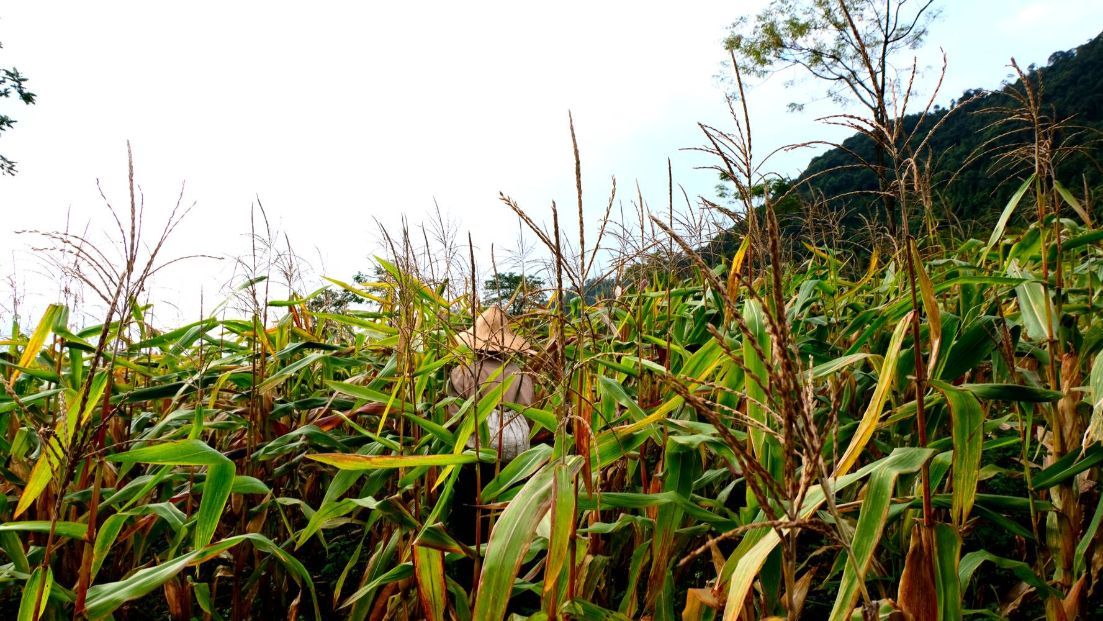
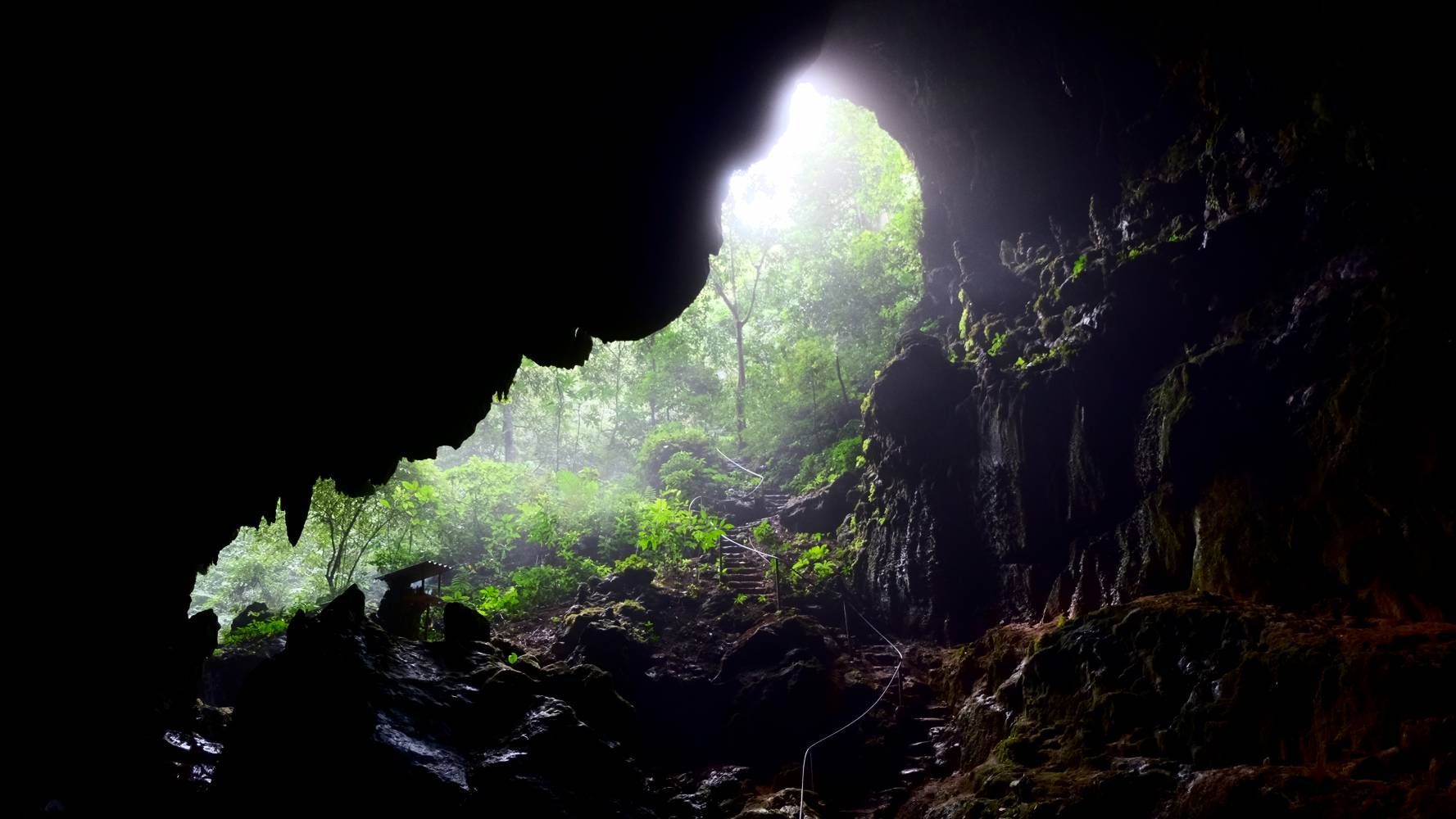
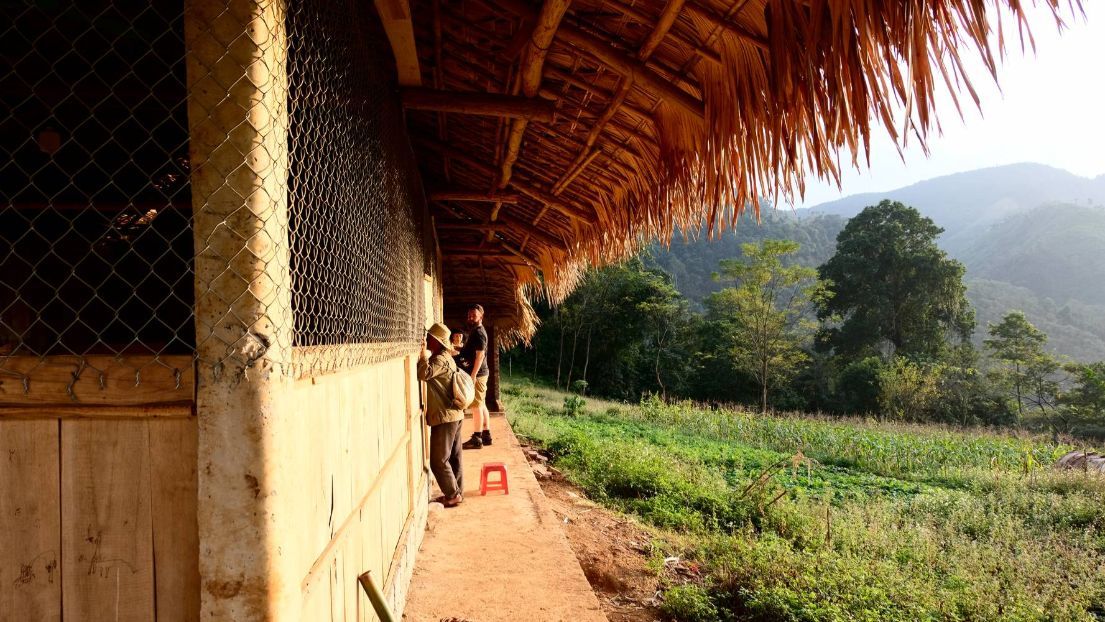
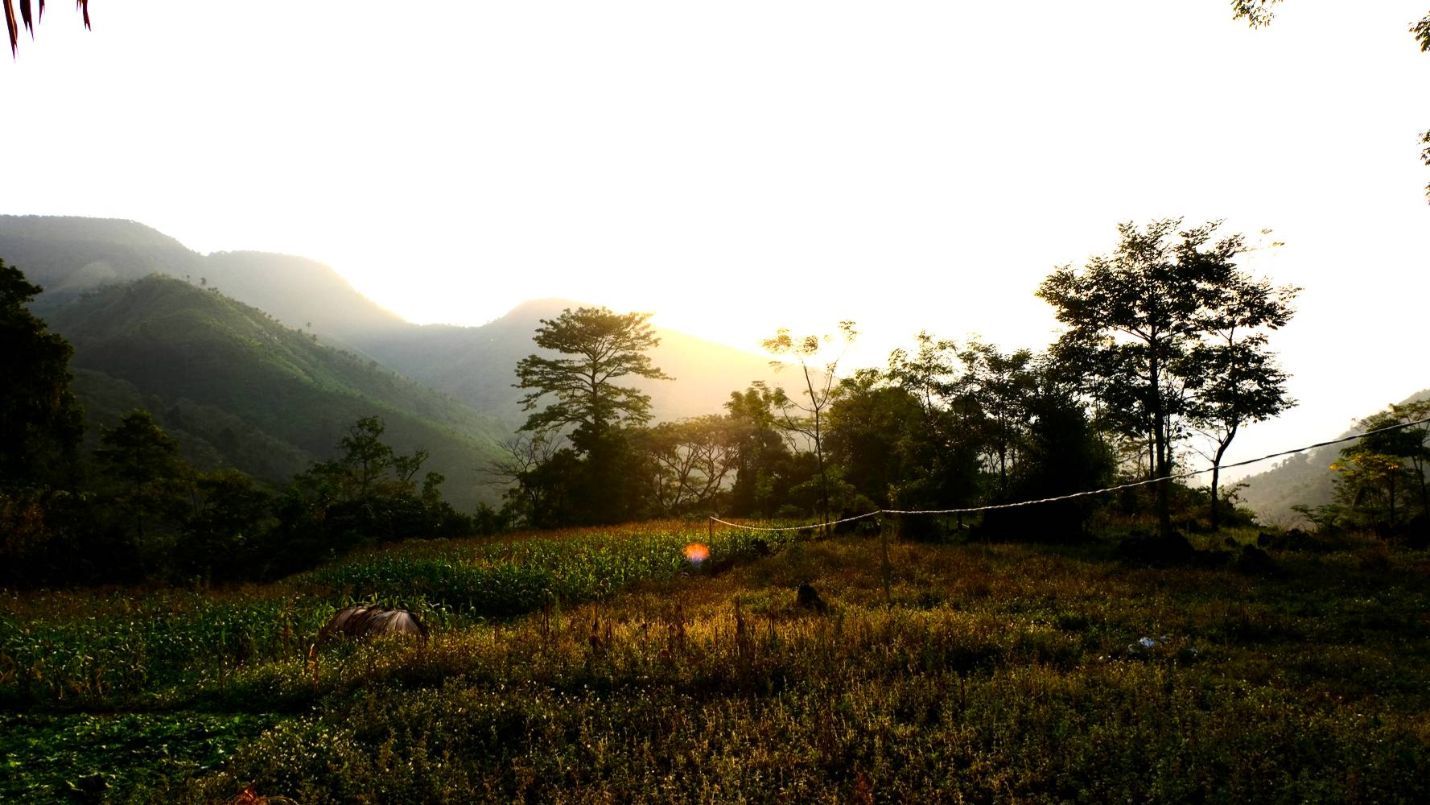
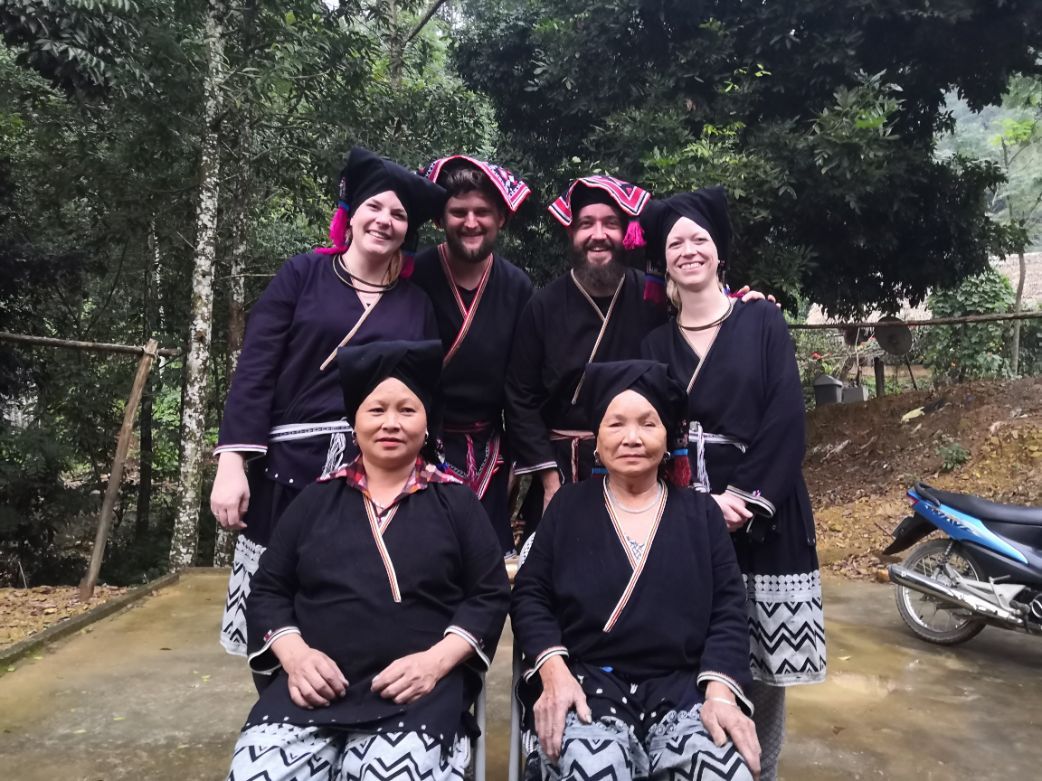
In the evening we were even allowed to enjoy a cultural performance, because a group of Interbit stayed in another homestay and they made a performance for the group there. We were allowed to join them and came to enjoy the traditional music and dances of the people.
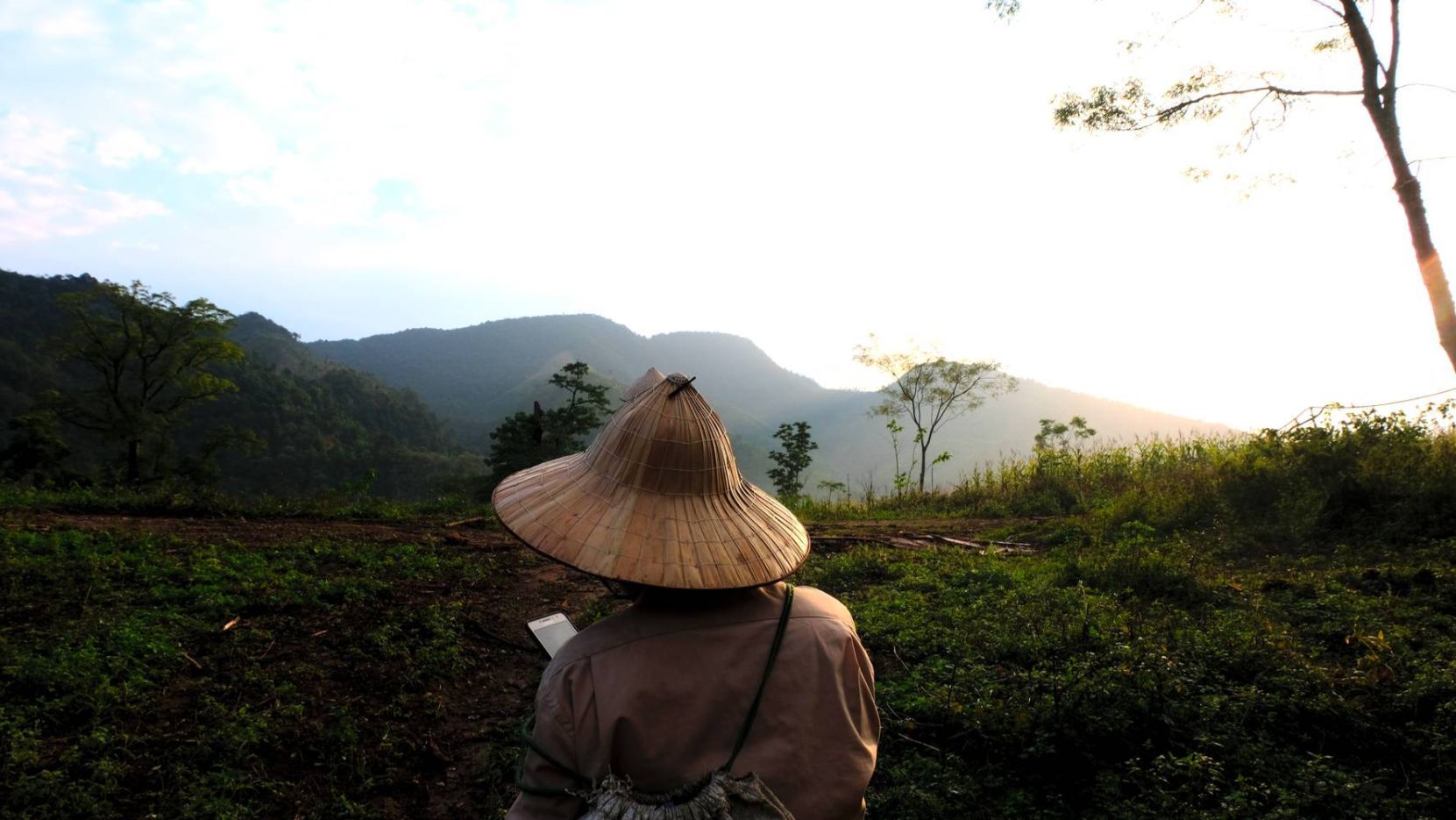
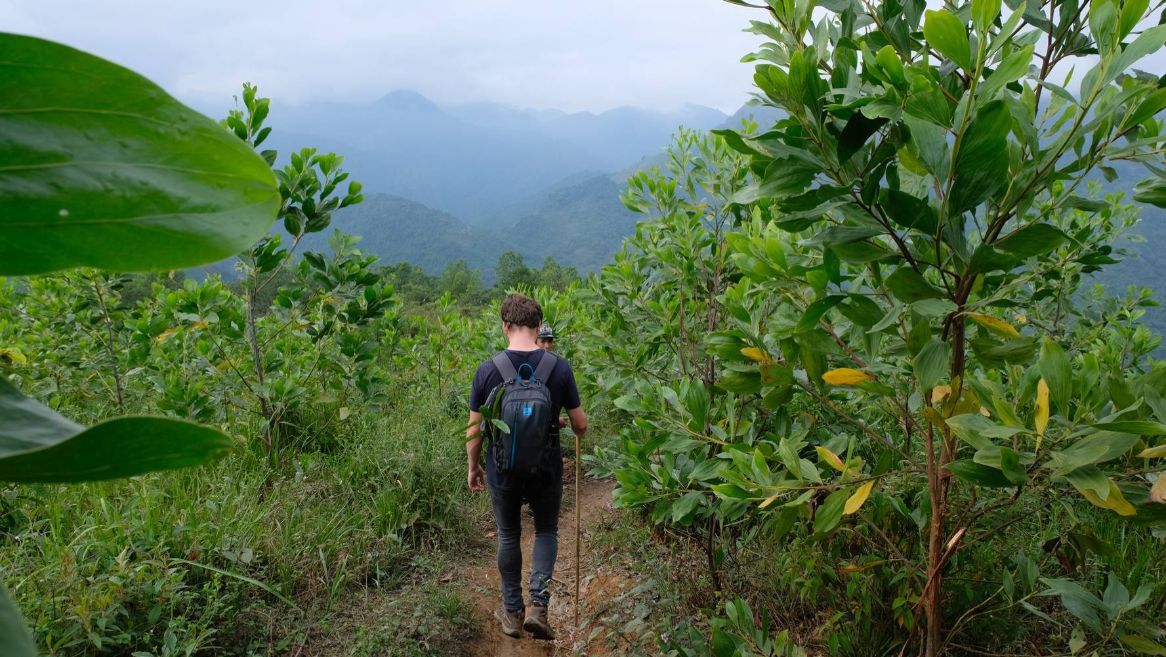
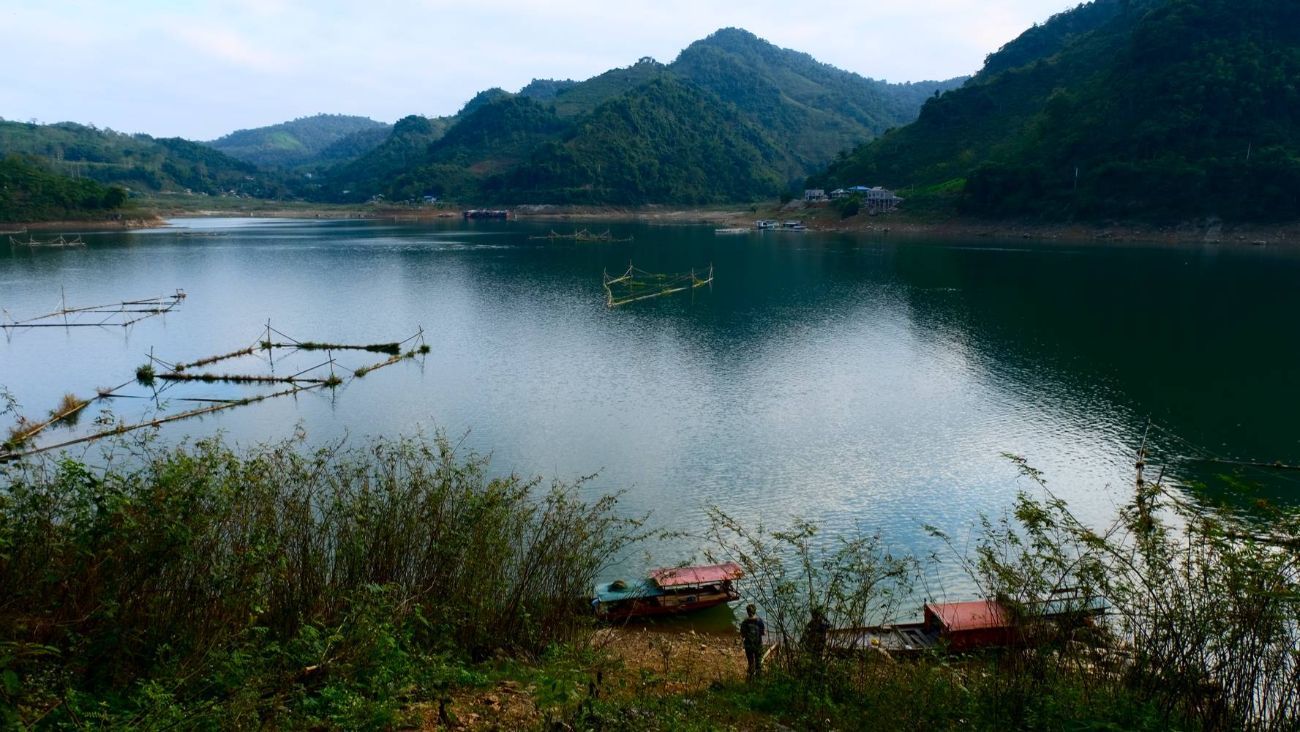
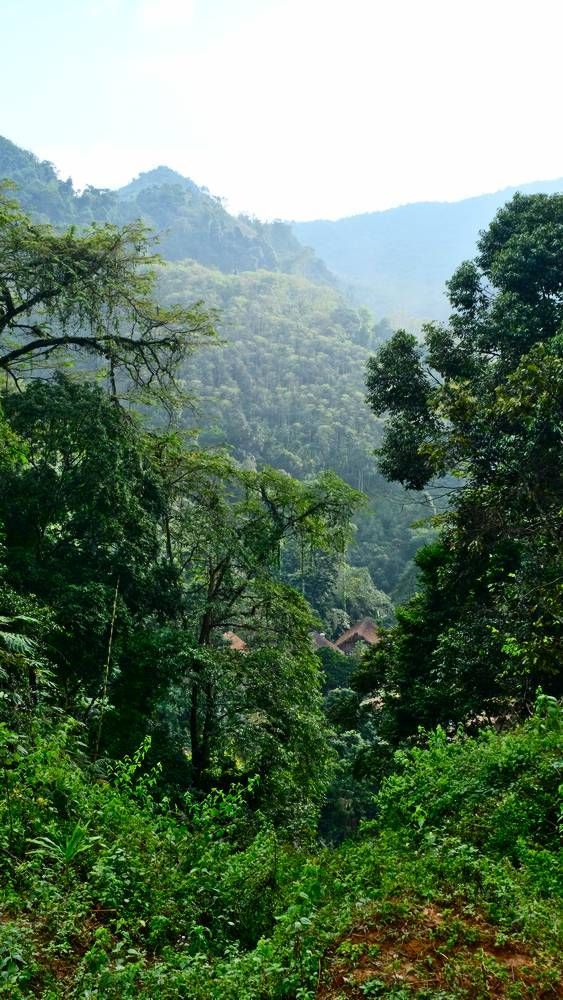
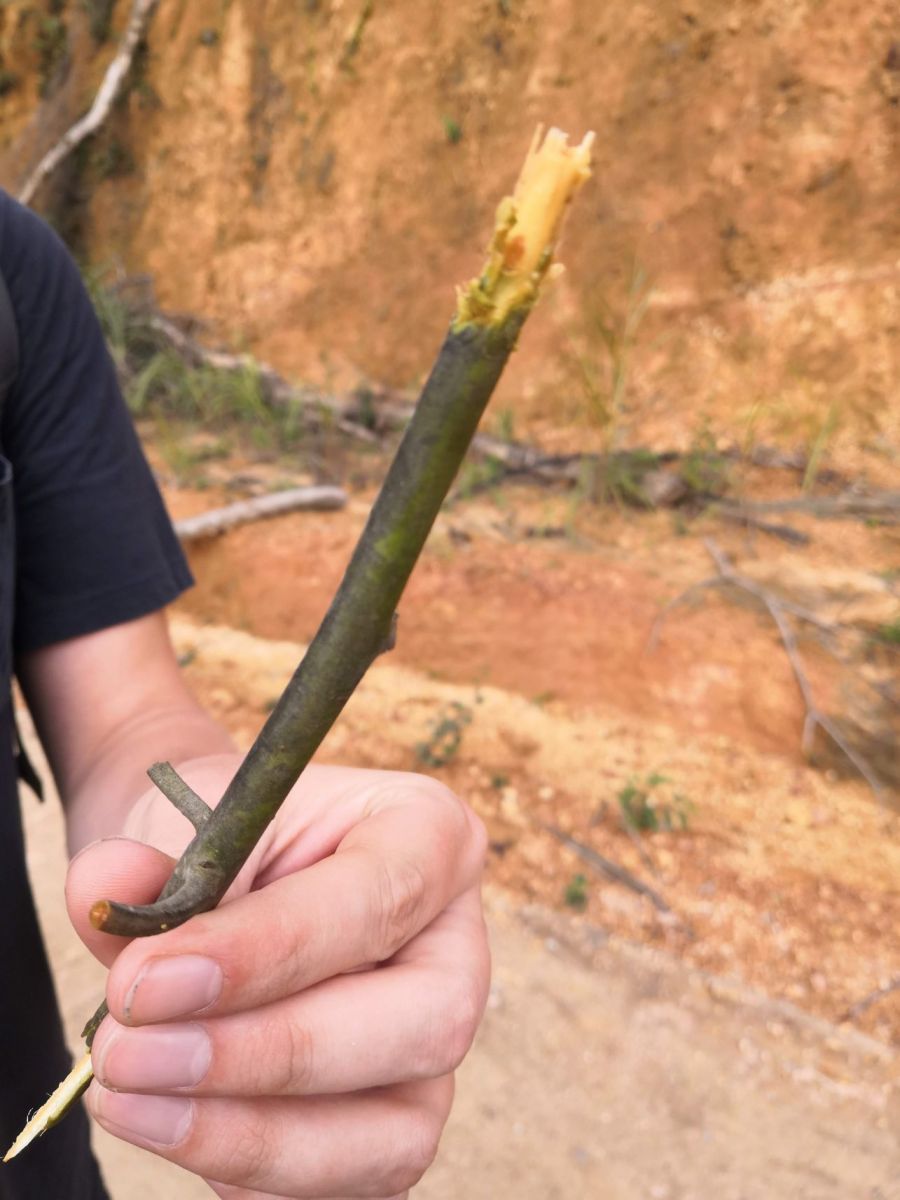
The next day we hiked again with the Danish couple and Hung and two local guides to the next village. But we had chosen a slightly longer hike with a smaller boat trip so we separated and about halfway and we went on alone with our guide. The hike took us through the jungle, through fields and banana plantations before we arrived at the lake and picked up a boat to take us to the next village. On this hike we learned that cinnamon grows everywhere in this village, a local guide cut a bit of it off the cinnamon tree and we could chew on these branches during the whole hike and it was very fine and felt like Christmas.
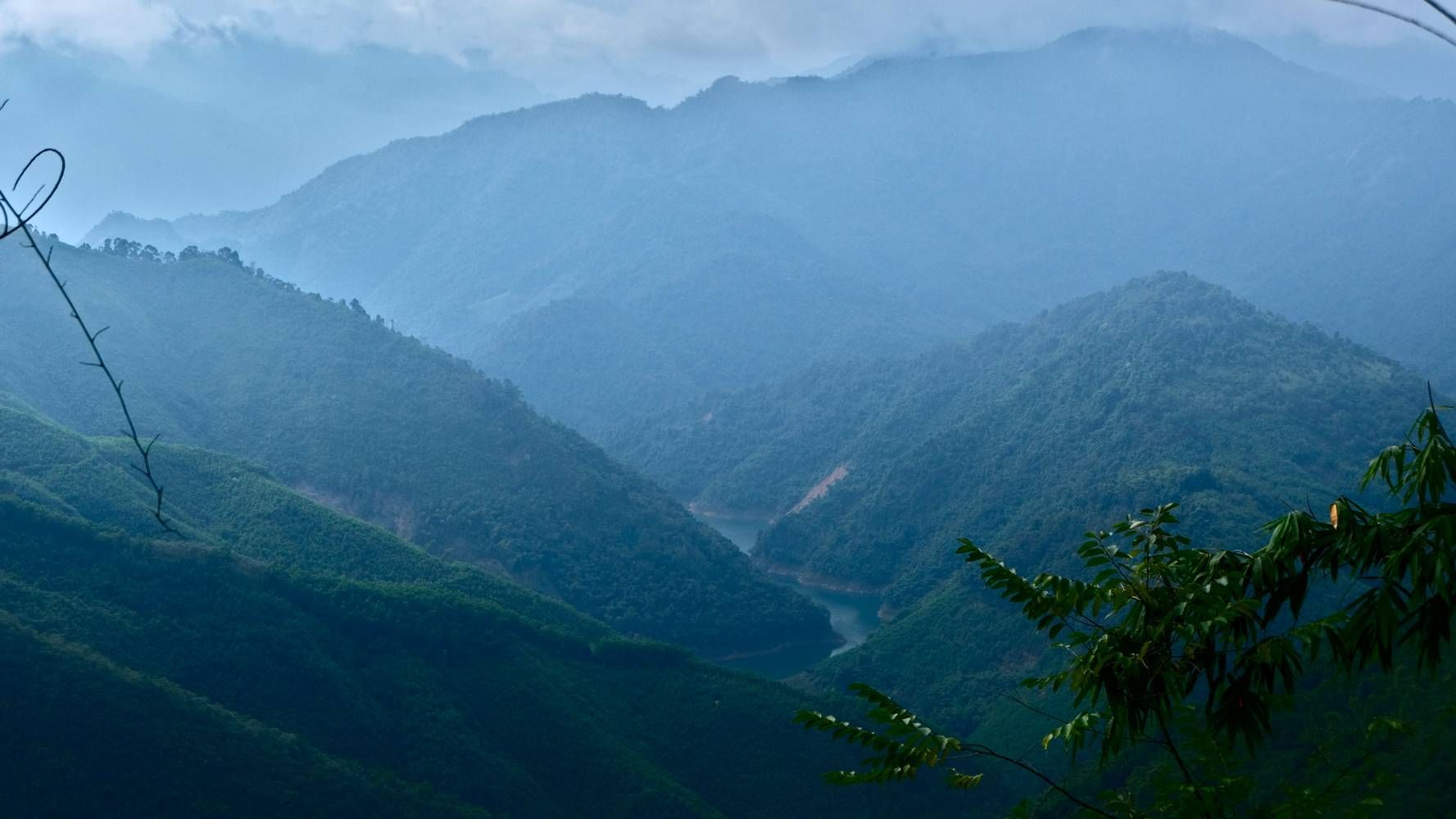
Xóm Đá Bia
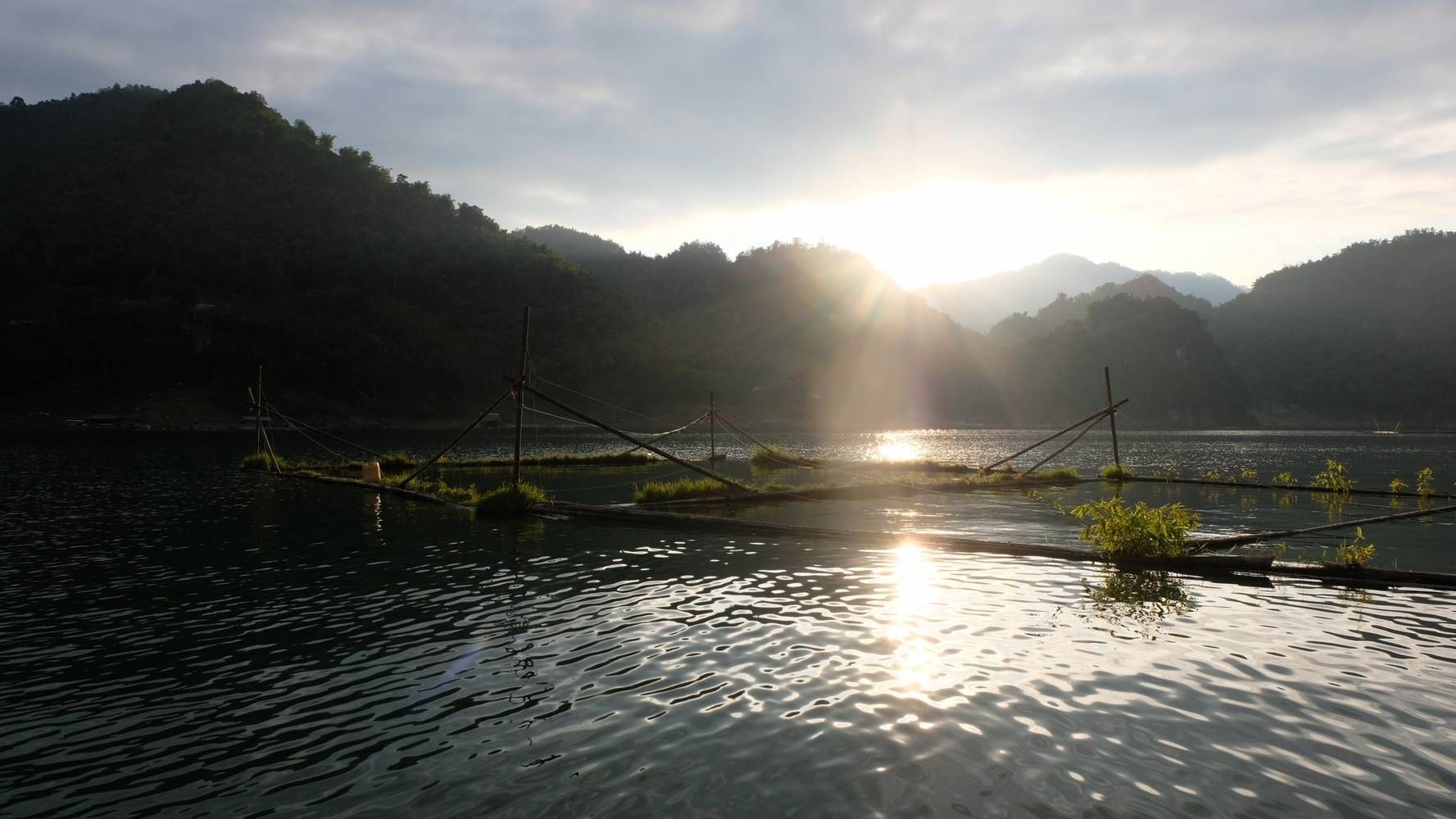
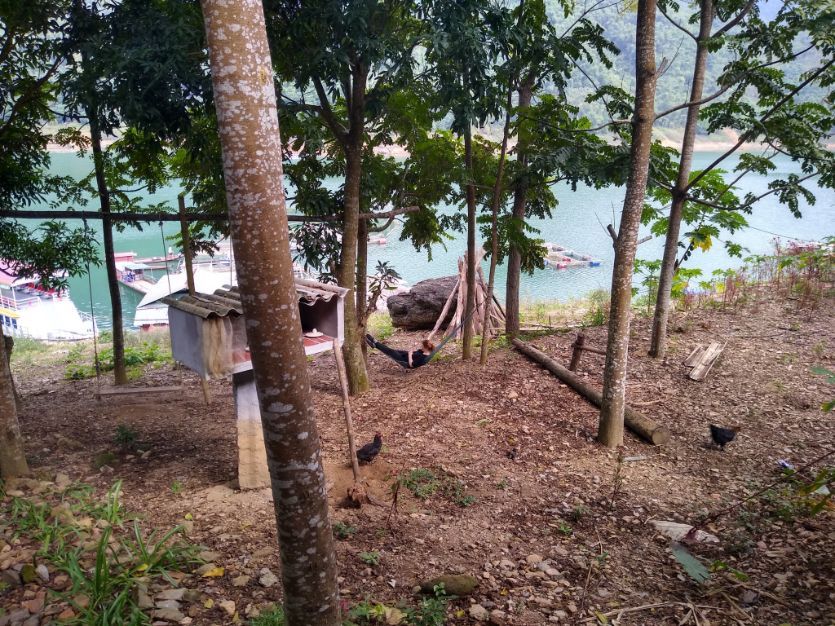
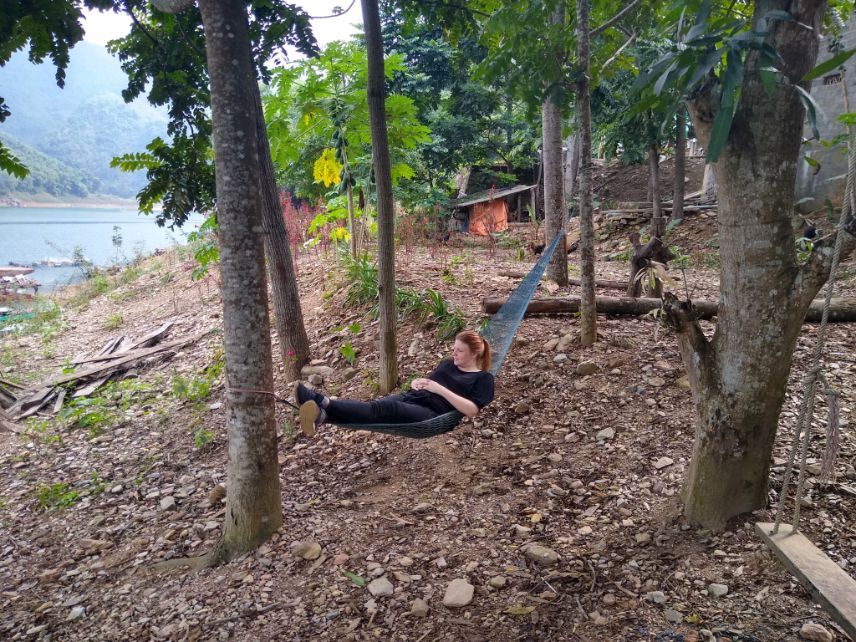
In Xóm Đá Bia we then stayed two nights in a beautiful homestay at the lake, there we had not booked any activities and were allowed to keep ourselves busy. Four generations lived in this family and all of them slept in the same room, except the mother and the newborn baby slept separately, so that not everyone wakes up when the baby cries. In the house lived the great-grandmother, the grandparents, the son with his wife and the two children. The house was built in the same style as the previous one and they also used the terrace as a living room, but this family does not have a TV. In this village, however, there is internet reception via the mobile network.
On the first evening Hung and the Danish couple (Mikkel and Cecilia) invited us to their homestay to watch the match Vietnam – Thailand, but this was not so easy as the family did not have a satellite but had a stream on the very slow internet available in the village. Every five minutes the game stopped and the stream had to be reloaded, which was extremely tedious for us, but for them it is normal.
The next day John and I went for a long walk to the next village and could watch a performance of a school there. The children had a performance and the parents came with their own chairs and sat in front of the stage to watch the performance. On the way back we were overtaken by countless motorbikes, each with one parent, three children and about two chairs per bike. When we came back, we went kayaking for another hour with Mikkel and Cecilia, who travelled to another village after lunch.
We enjoyed the afternoon in the hammock, reading our books, playing with the children and just before dinner we took another walk in the other direction.
When we went back to Hanoi by public transport, unfortunately John had a gastro-intestinal problem and John was out of action. But I made an appointment with Mikkel and Cecillia to spend the last evening with them in Hanoi with some beers and a Vietnamese hot pot.
Oddly, I had just finished watching the series on Netflix about the Vietnam War before reading this.
Did any of the older generations mention it ?
We never asked about it and it never really came up actually. Sorry, we missed our chance to ask